

Custom Non-Standard Automation Equipment
Project-specific automation equipment developed around assembly, inspection, testing, welding, material handling and production process requirements.
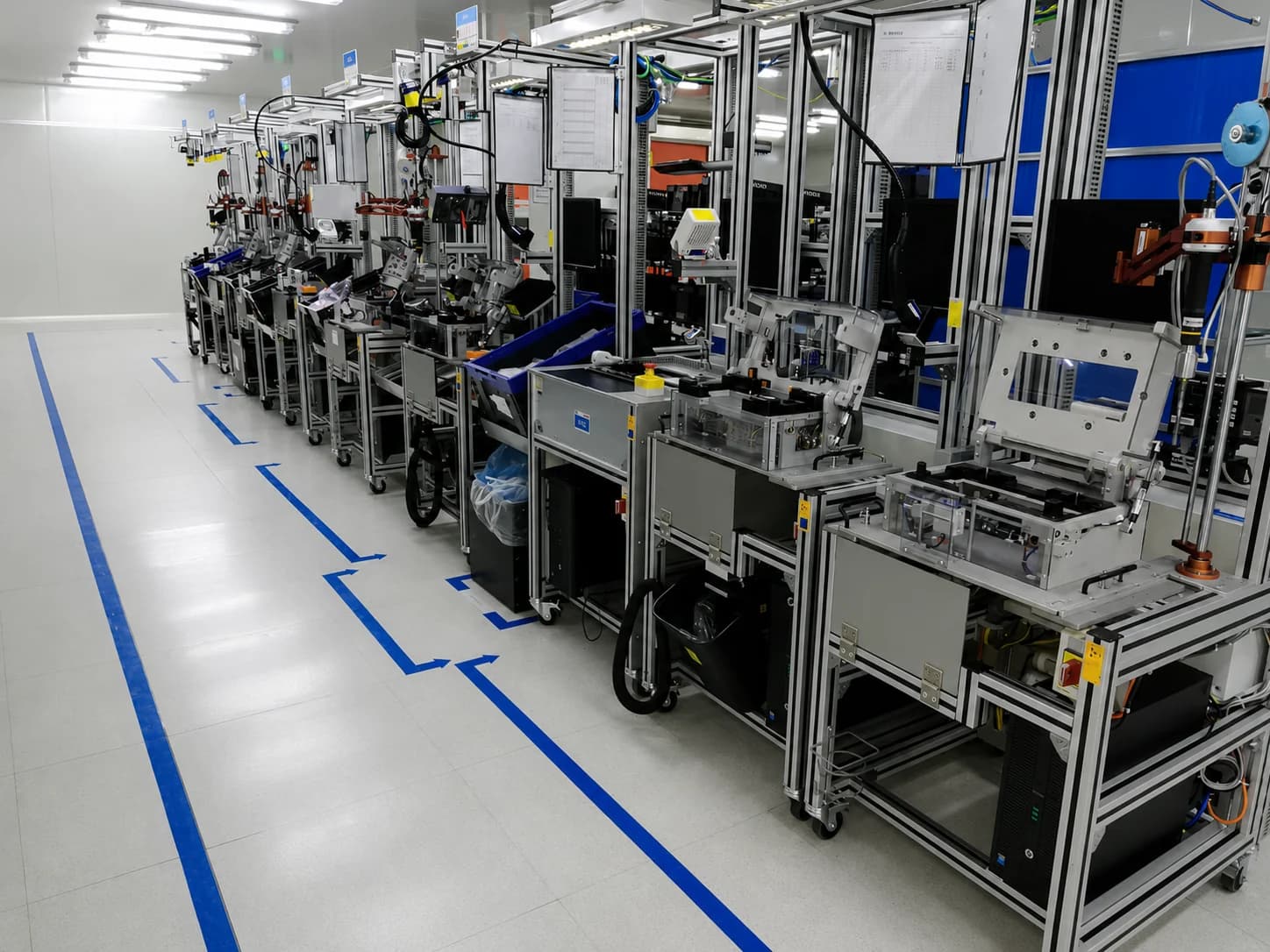
Project Examples / Product Visuals
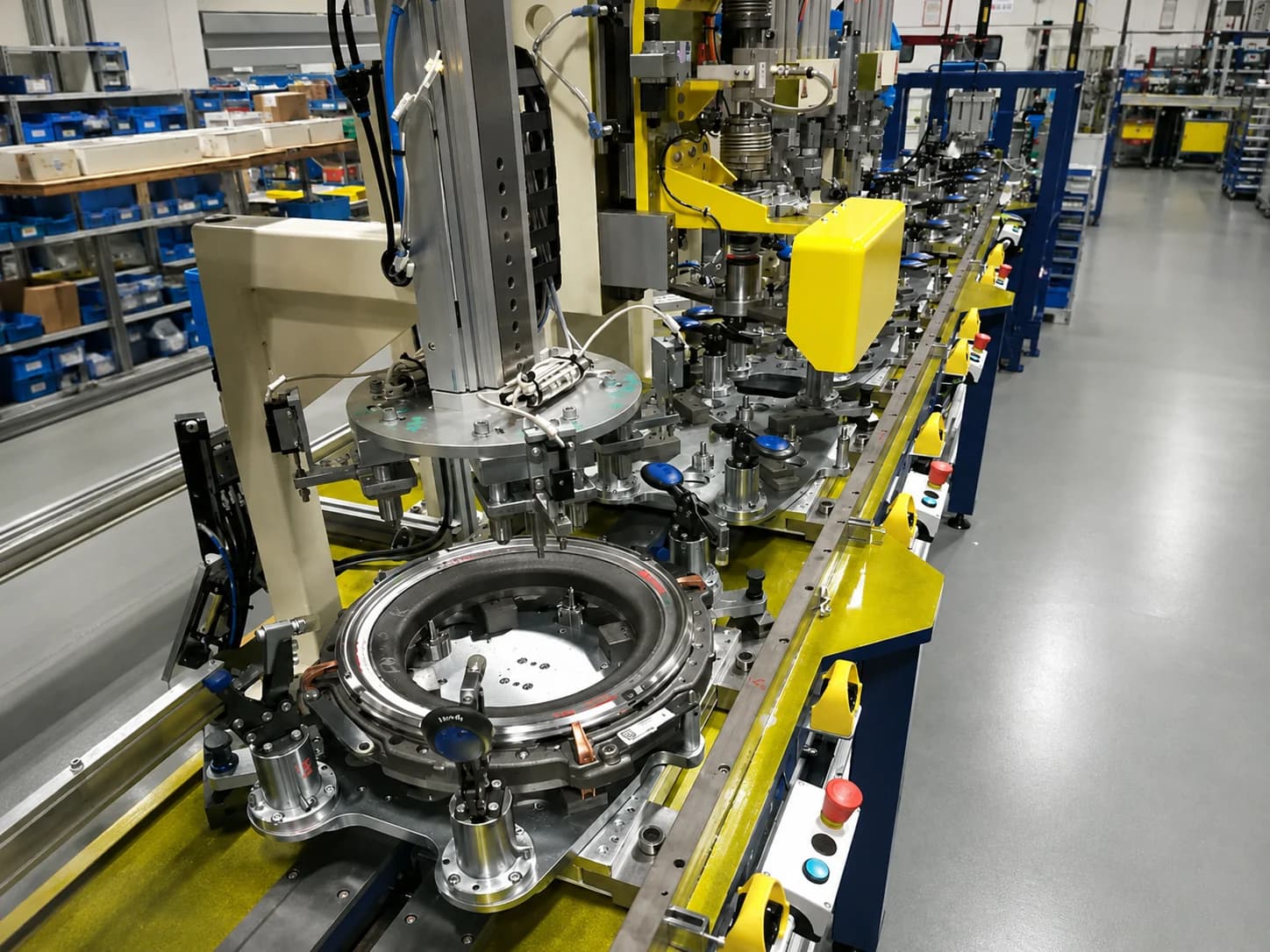
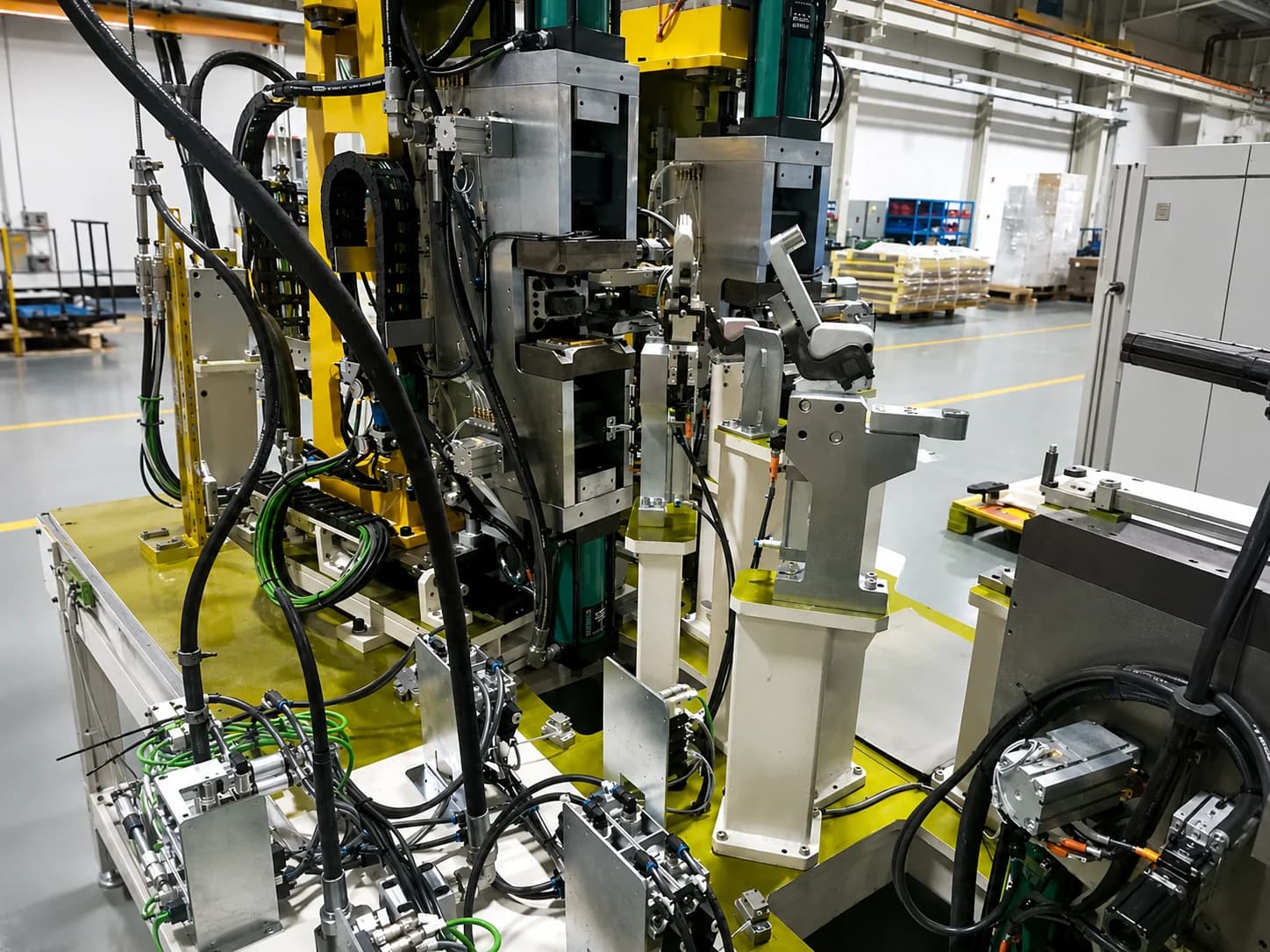
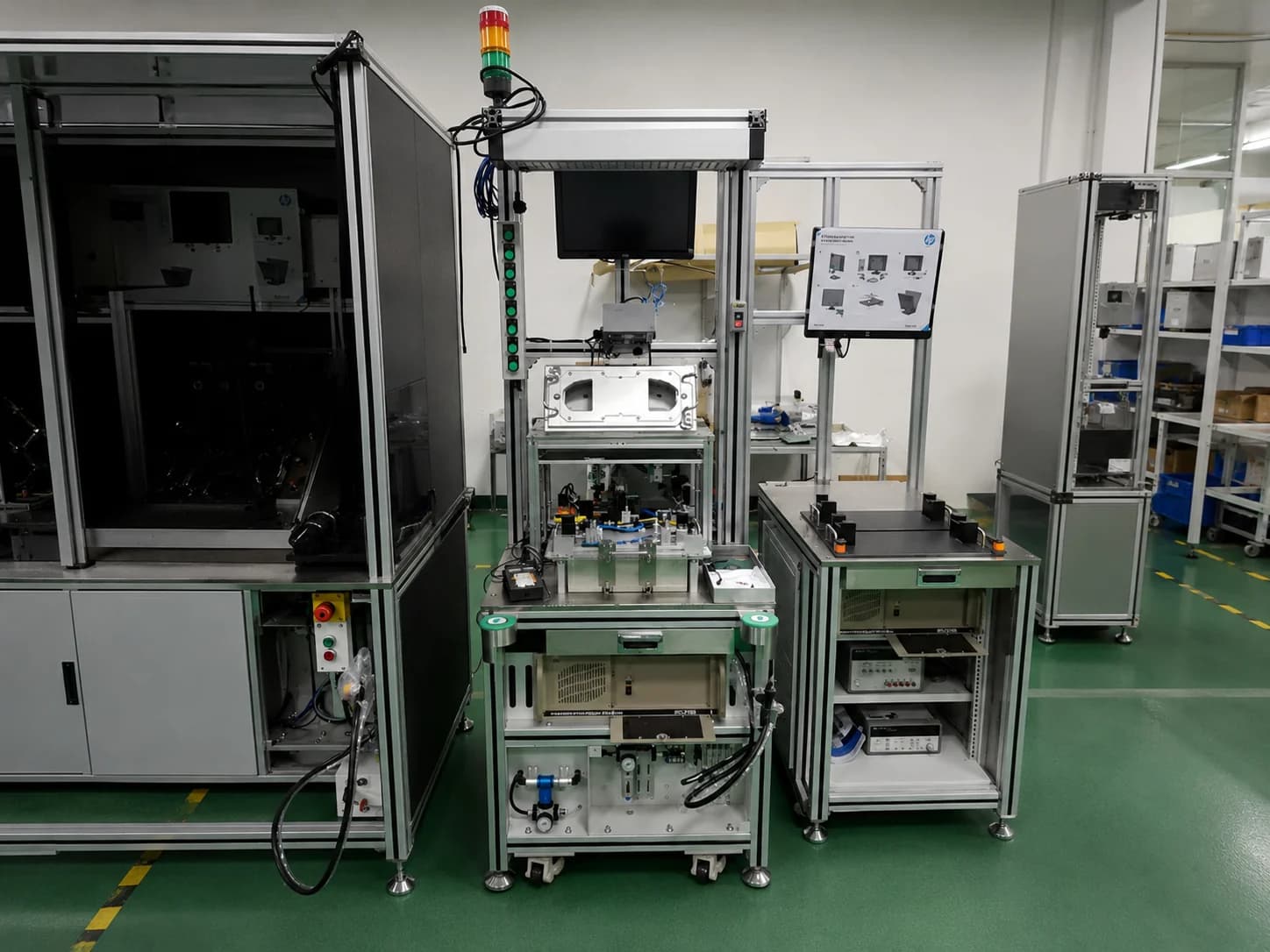
Product Video
Selected project examples covering assembly, inspection, testing, welding and material handling applications.
Developed around project-specific automation requirements
Custom automation projects often involve unique workpieces, production processes, takt-time targets, inspection requirements, equipment interfaces and factory layouts.
ANUOTAI evaluates these project conditions and develops dedicated automation equipment, assembly and inspection stations, testing systems, robotic process equipment and material handling solutions according to the actual application.
Customer Challenge
Assembly, inspection, testing, welding or production processes may vary by workpiece, process flow, workstation layout and required automation level.
Engineering Solution
A project-specific automation concept is reviewed around product drawings, samples, process requirements, cycle time, site layout and upstream or downstream equipment interfaces.
Application Direction
Supports dedicated automation equipment development for assembly systems, testing equipment, welding stations, fixtures, handling interfaces and integrated production lines.
Selected Project Highlights
Representative automation projects demonstrating our experience in assembly, inspection, testing, welding, material handling and production process integration.
Assembly Line Integration
Valve Body Assembly Line
- Multi-station synchronized assembly
- Integrated vision inspection and air-leak testing
- Representative project takt time: ≤15 s/pc
Assembly & Inspection Integration
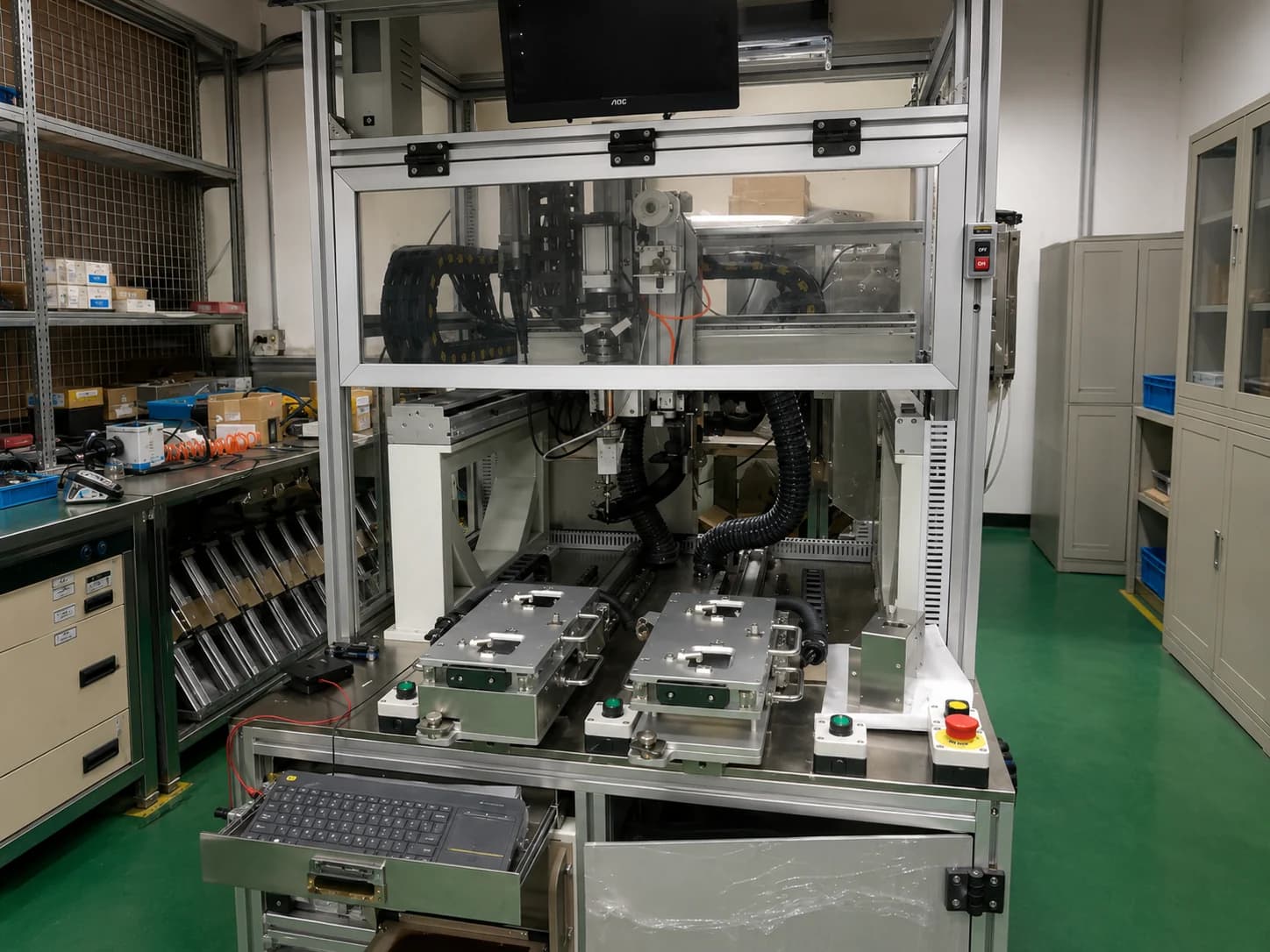
Cylinder Assembly & Inspection Station
- Multi-process integration: press-fitting → inspection → marking
- Servo-controlled press-fitting with process data recording
- Adaptable fixture design for product changeover
Robotic Process Automation
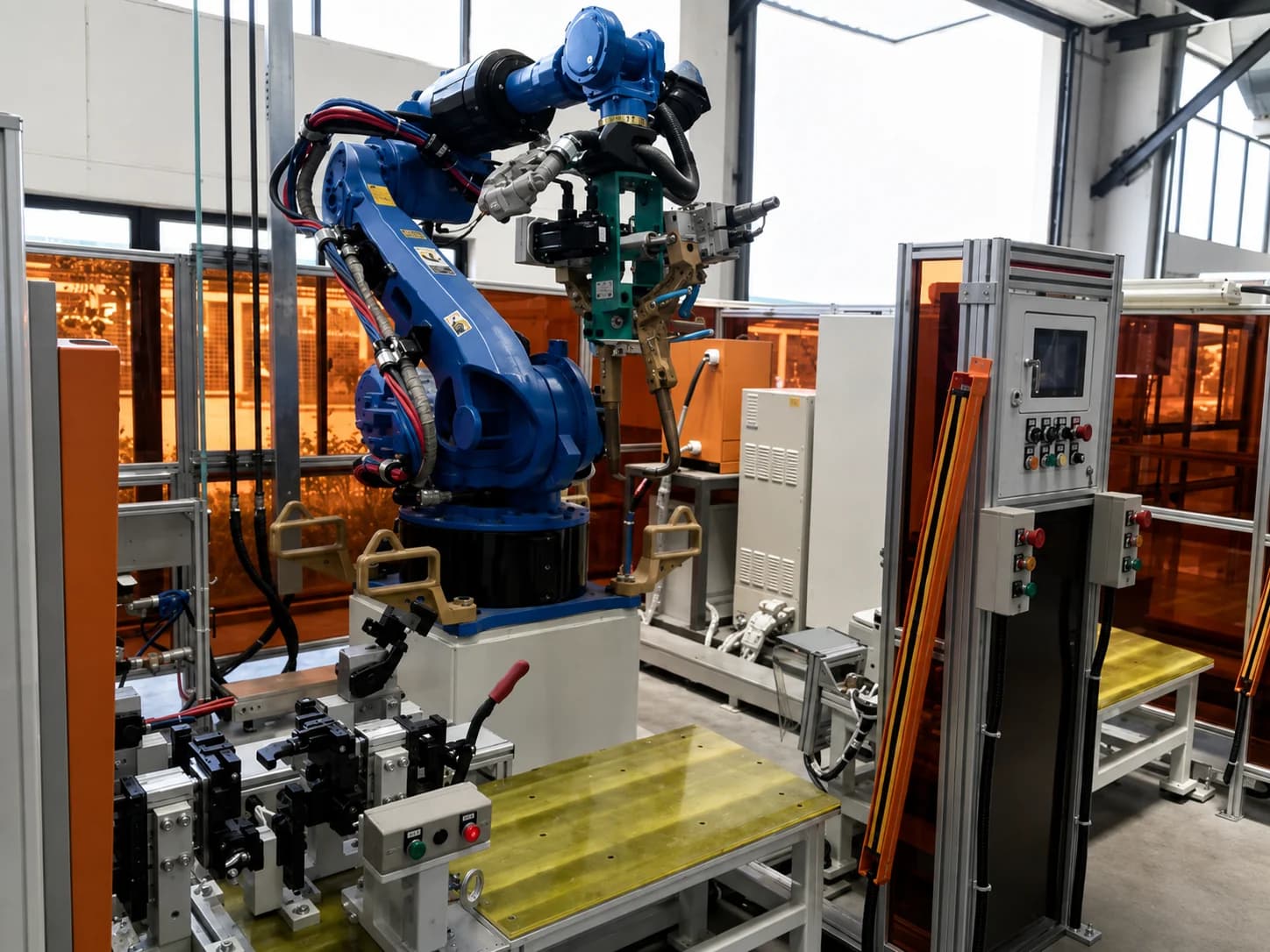
Robotic Welding System
- 6-axis robotic welding for automated process execution
- Precision positioning fixtures for welding consistency
- Safety guarding and dual-station production configuration
Reliability Testing
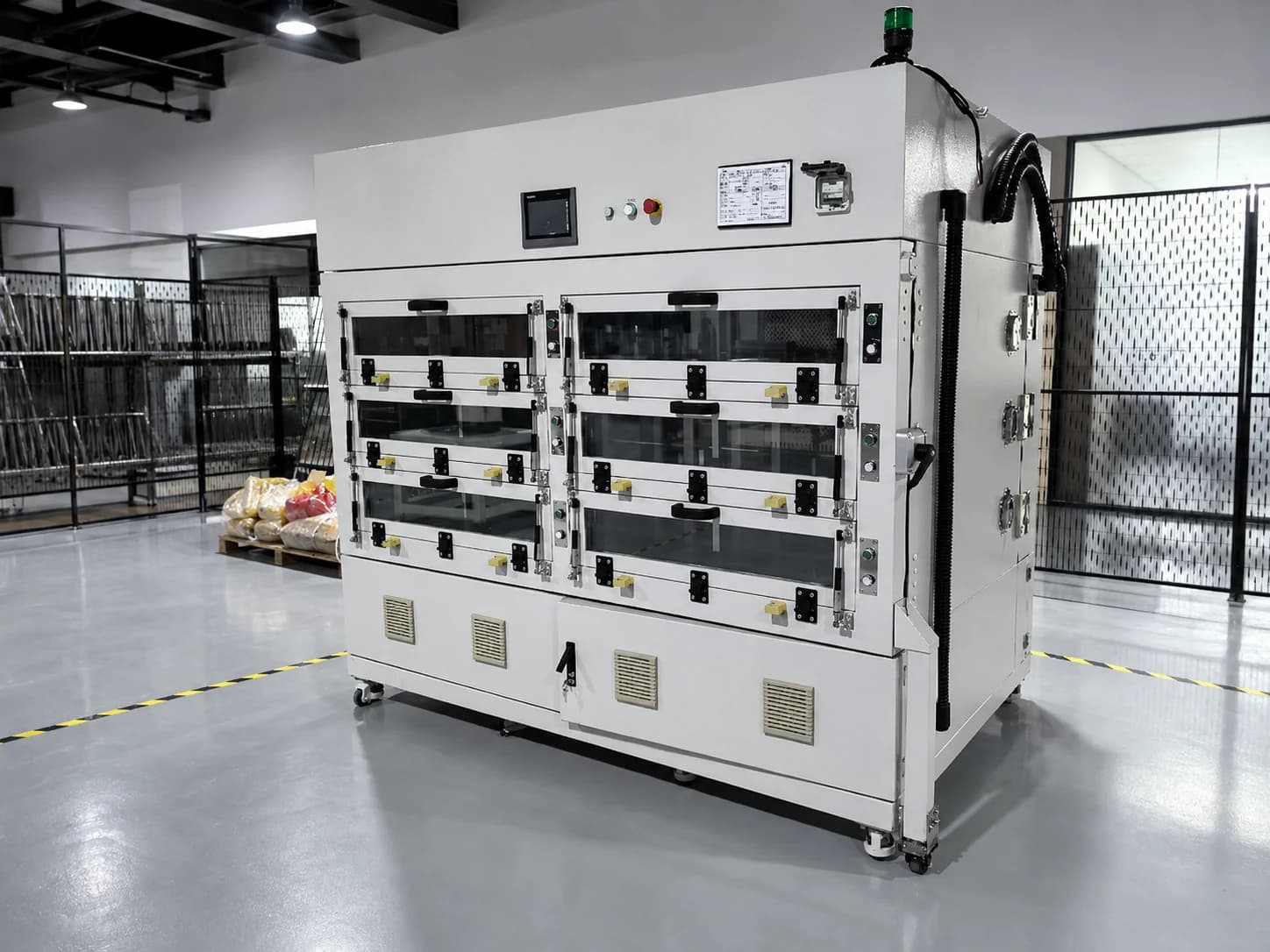
Aging / Burn-in Test Equipment
- Multi-channel simultaneous aging / burn-in testing
- Temperature monitoring and protective control
- Real-time process monitoring and traceable data recording
Dedicated Assembly Station
Dial Plate Assembly Station
- Vision positioning integrated with servo press-fitting
- Dedicated tooling for accurate component positioning
- Developed for automotive instrument assembly processes
Process Integration
Stepper Motor Soldering Station
- Dedicated soldering process station
- Automated fixture and process integration
- Developed for automotive instrument production
Durability Testing
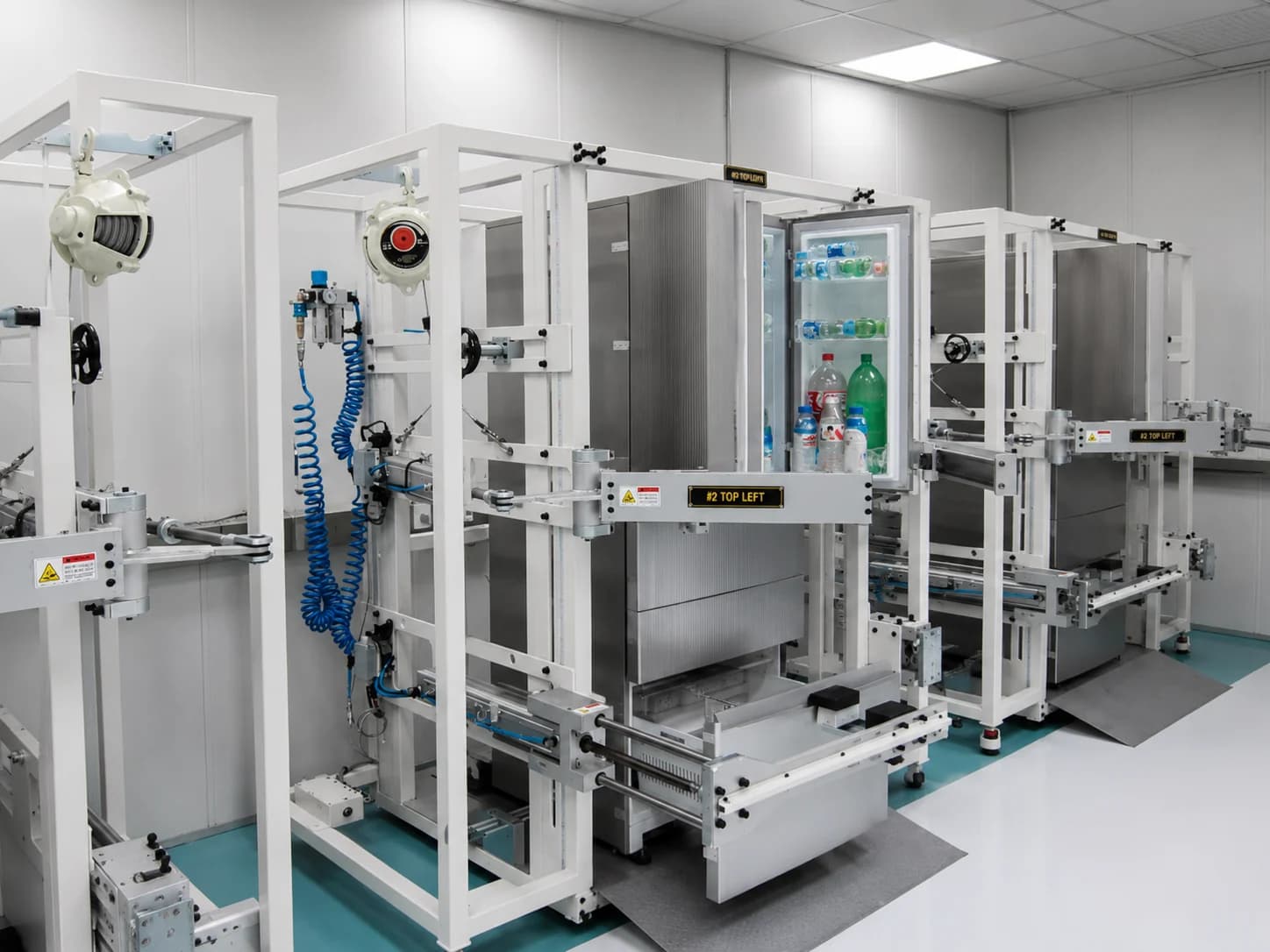
Refrigerator Door Fatigue Testing Machine
- Simulates repeated refrigerator door opening and closing cycles
- Records opening / closing force, angle and cycle count
- Designed around project-specific appliance durability and cycle-testing requirements.
Material Handling Integration
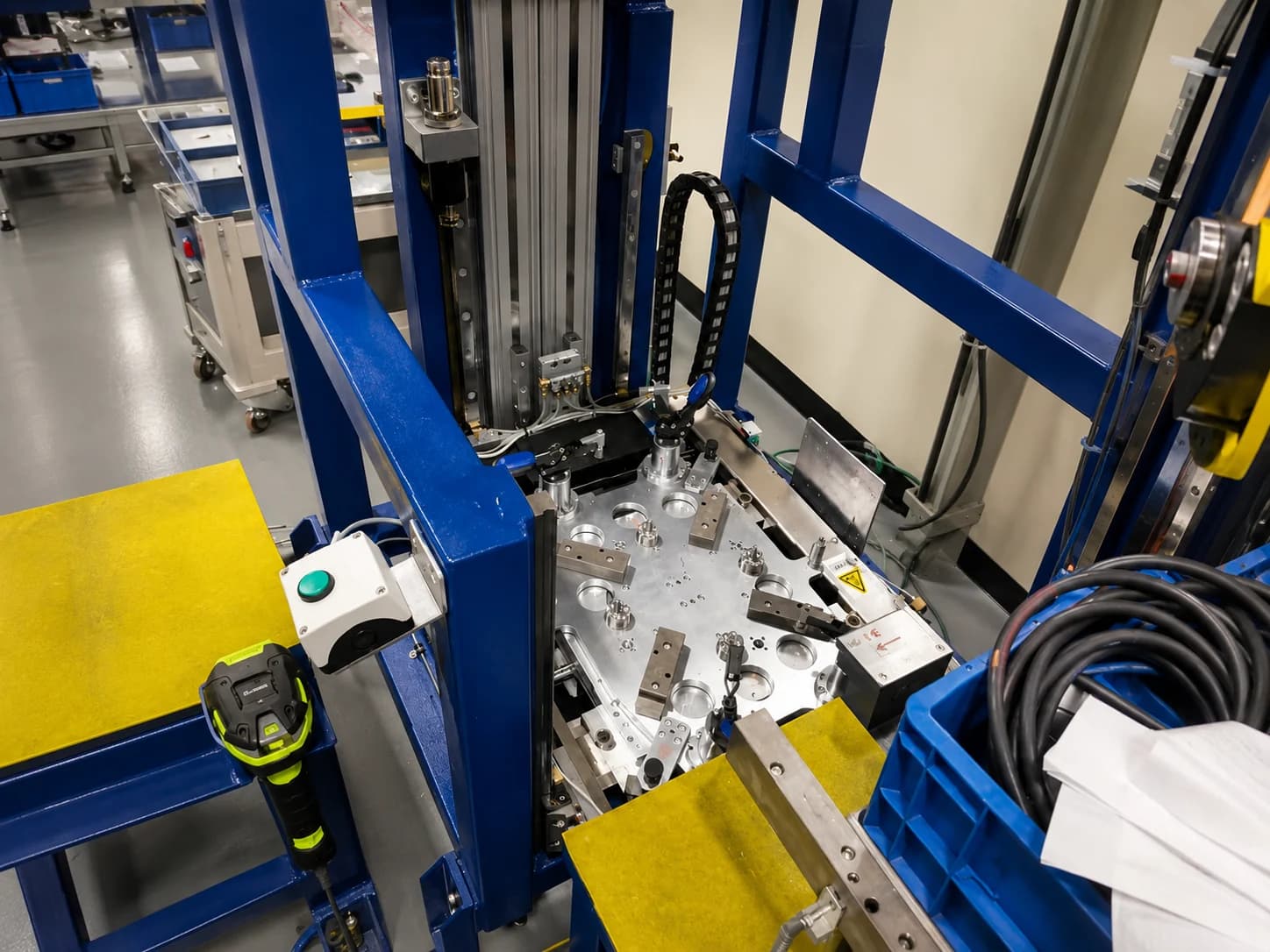
Custom Pallet Handling Equipment
- Automated lifting and feeding for production processes
- Designed for integration with upstream and downstream equipment
- Pallet and fixture configuration evaluated according to project requirements
Project Evaluation Information
This product direction does not provide fixed specifications. Before confirming a custom automation project, we review the information that affects mechanical design, process integration, control interfaces and final equipment configuration.
Product / Workpiece Information
- Product drawings
- Workpiece samples
- Key dimensions and handling points
Process Requirements
- Assembly steps
- Testing or inspection process
- Special process conditions
Cycle Time / Takt Time
- Expected production rhythm
- Manual or automated process split
- Capacity target for review
Assembly / Inspection Requirements
- Assembly sequence
- Inspection points
- Confirmation criteria
Required Automation Level
- Manual assist
- Semi-automatic operation
- Automatic process direction
Factory Layout / Available Space
- Installation area
- Operator access
- Surrounding equipment
Upstream / Downstream Interfaces
- Line connection
- Material infeed and outfeed
- Control or signal interface
Drawings / Samples / Technical Requirements
- Technical documents
- Project acceptance requirements
- Utilities or production conditions
Engineering Evaluation
To propose a suitable custom automation direction, we review:
- Product and workpiece information
- Process and inspection requirements
- Cycle time or takt time direction
- Required automation level
- Factory layout and available space
- Upstream and downstream interfaces
- Drawings, samples and technical requirements
Engineering Capabilities
Assembly Automation
Dedicated assembly equipment can be reviewed according to product structure, assembly sequence and workstation workflow.
Inspection & Testing Equipment
Inspection, testing, aging and fatigue testing requirements can be integrated when confirmed by project evaluation.
Robotic Process Equipment
Robotic welding or other robotic process stations can be evaluated according to process, reach, fixture and safety needs.
Material Handling & Transfer
Material flow, pallet handling and process interfaces can be reviewed as part of the automation equipment layout.
Dedicated Workstations & Lines
Fixtures, special workstations and integrated production lines can be developed around the confirmed process concept.
Engineering Application Scenarios
Automotive Component Assembly
Used where automotive components require dedicated assembly stations, fixture support or integrated process control.
Dedicated Assembly Stations
Applied when a specific product or operation needs a project-specific station instead of a catalog machine.
Assembly and Inspection Integration
Supports projects where assembly steps and inspection confirmation need to be considered in one equipment concept.
Reliability / Aging Testing
Used for aging or reliability testing equipment when test method and acceptance direction are confirmed by the project.
Durability / Fatigue Testing
Applied to durability or fatigue testing projects after sample, motion and testing requirements are reviewed.
Robotic Welding
Supports robotic welding station evaluation around workpiece fixture, welding process and workstation safety.
Process-Specific Production Stations
Developed for production steps that need custom mechanical, control or tooling integration.
Internal Material Handling Integration
Used where material movement or pallet handling must connect with the production process.
Project Process
Requirement Discussion
Review product, process, site conditions, project objective and available drawings or samples.
Application & Process Evaluation
Evaluate assembly, inspection, testing, welding, handling and interface requirements before confirming a concept direction.
Concept and Engineering Design
Develop the mechanical concept, workstation layout, fixture direction, control interface and integration approach for confirmation.
Manufacturing & Verification
Coordinate manufacturing, assembly, debugging and practical verification around the confirmed project direction.
Delivery & Project Support
Support customer confirmation, packing, delivery coordination and project communication after configuration is confirmed.
Why Choose Our Engineering Approach
Project-Specific Evaluation
We review actual product, process, site and interface conditions before proposing the automation equipment direction.
Mechanical Design
Equipment structure, fixture concept, workstation layout and material handling interfaces are configured around project needs.
Control Integration
Control interface and system integration requirements can be reviewed according to process and equipment connection needs.
Engineering Coordination
Engineering, manufacturing, inspection and export communication are coordinated around the confirmed project configuration.
FAQ
Can you develop equipment from our product drawings or samples?
Yes. Product drawings, samples, process requirements and site conditions can be reviewed before confirming the custom automation direction.
What information is required for project evaluation?
Please provide product or workpiece information, process steps, cycle time direction, automation level, layout, interfaces, drawings, samples and technical requirements if available.
Can assembly and inspection be integrated into one system?
Assembly and inspection can be evaluated together when the workpiece, process sequence, inspection points and final confirmation criteria are clear.
Can robotic processes be integrated?
Robotic welding or other robotic process stations can be evaluated according to workpiece, fixture, process, reach, safety and production workflow.
Are equipment dimensions and configurations fixed?
No. Dimensions and configurations are confirmed through engineering evaluation, drawings, site layout review and final customer confirmation.
How is the final equipment specification confirmed?
The final specification is confirmed through project communication, engineering design, technical review and customer confirmation before manufacturing.
Share Your Custom Automation Project Requirements
Provide product drawings, samples, process requirements, expected production rhythm, site layout, upstream or downstream interfaces and technical requirements. Our engineering team will review the project and suggest a suitable custom automation direction.