

Custom Vertical Pallet Lift for Factory Material Transfer
A project-specific vertical transfer solution for pallets, tote boxes and production line material flow, configured around working height, load carrier, loading direction and factory layout.
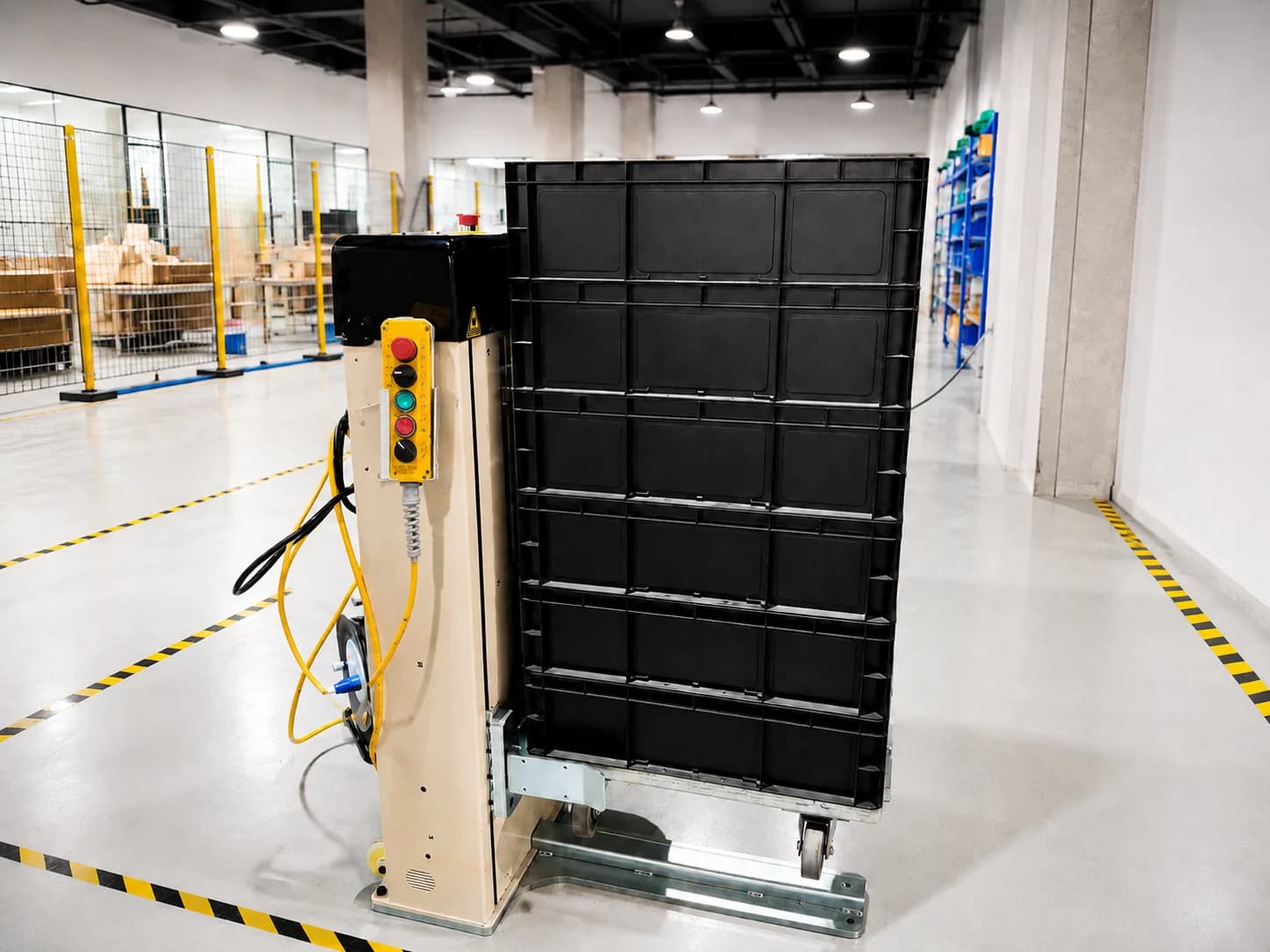
Product Visuals
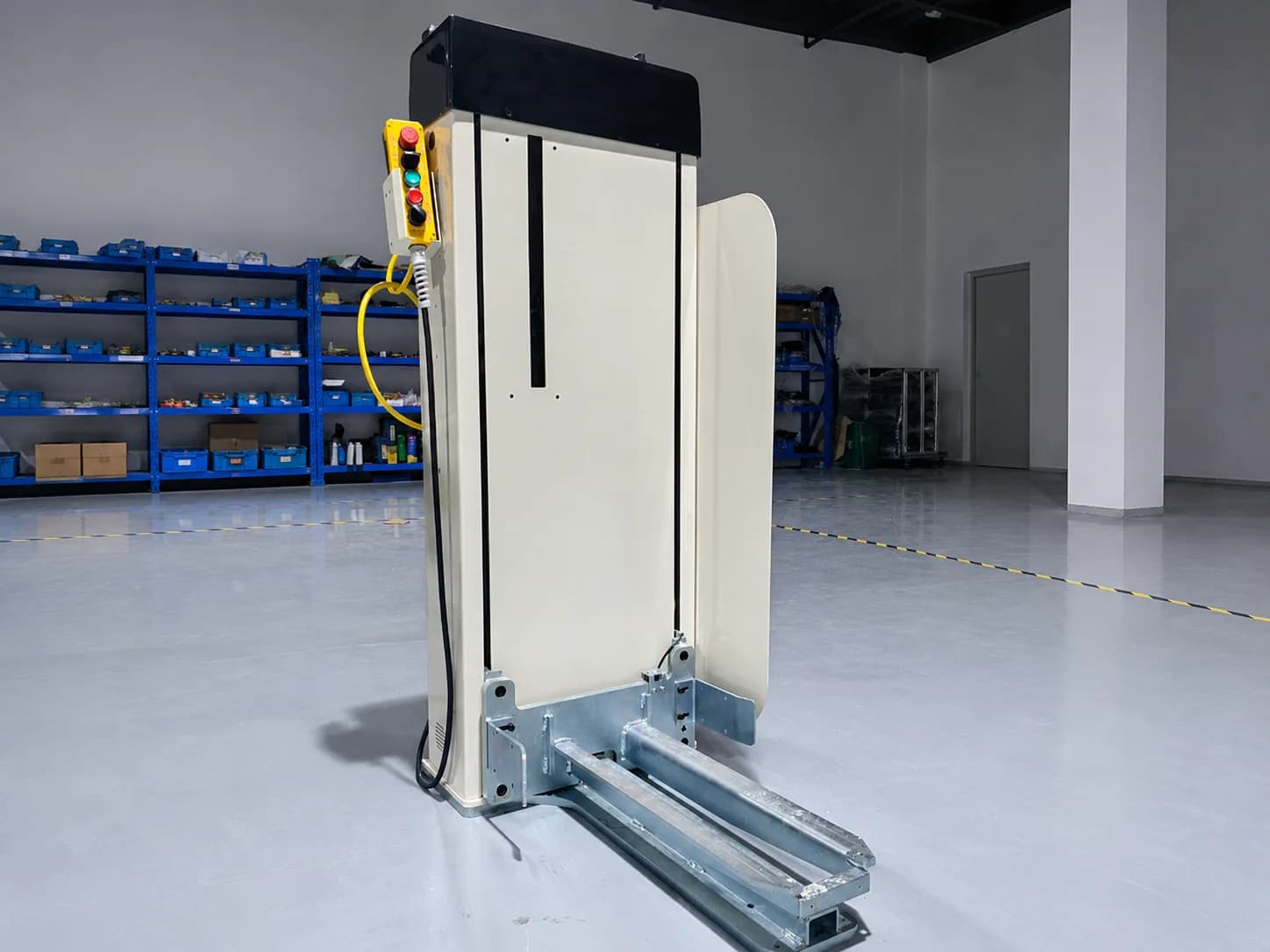
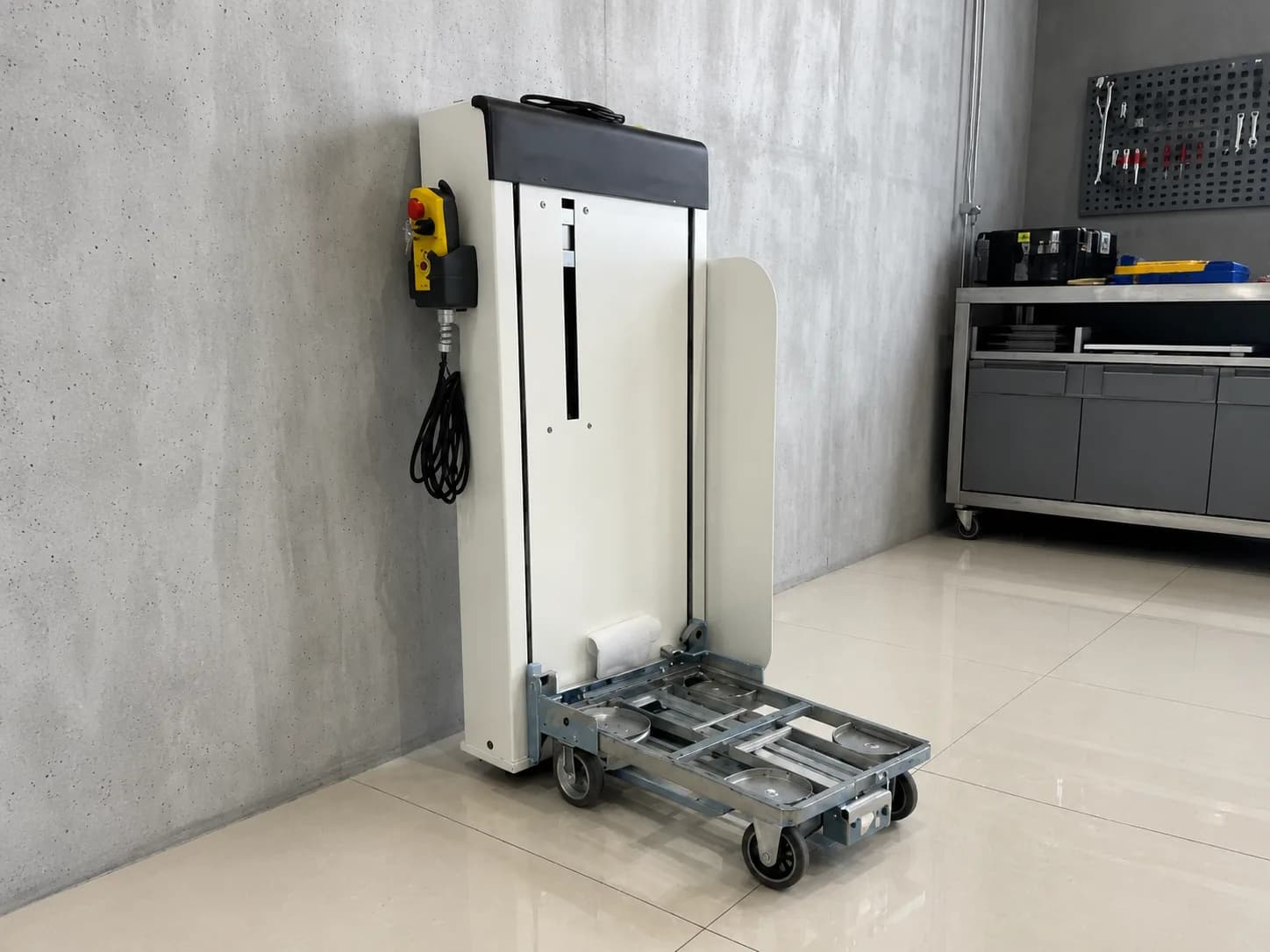
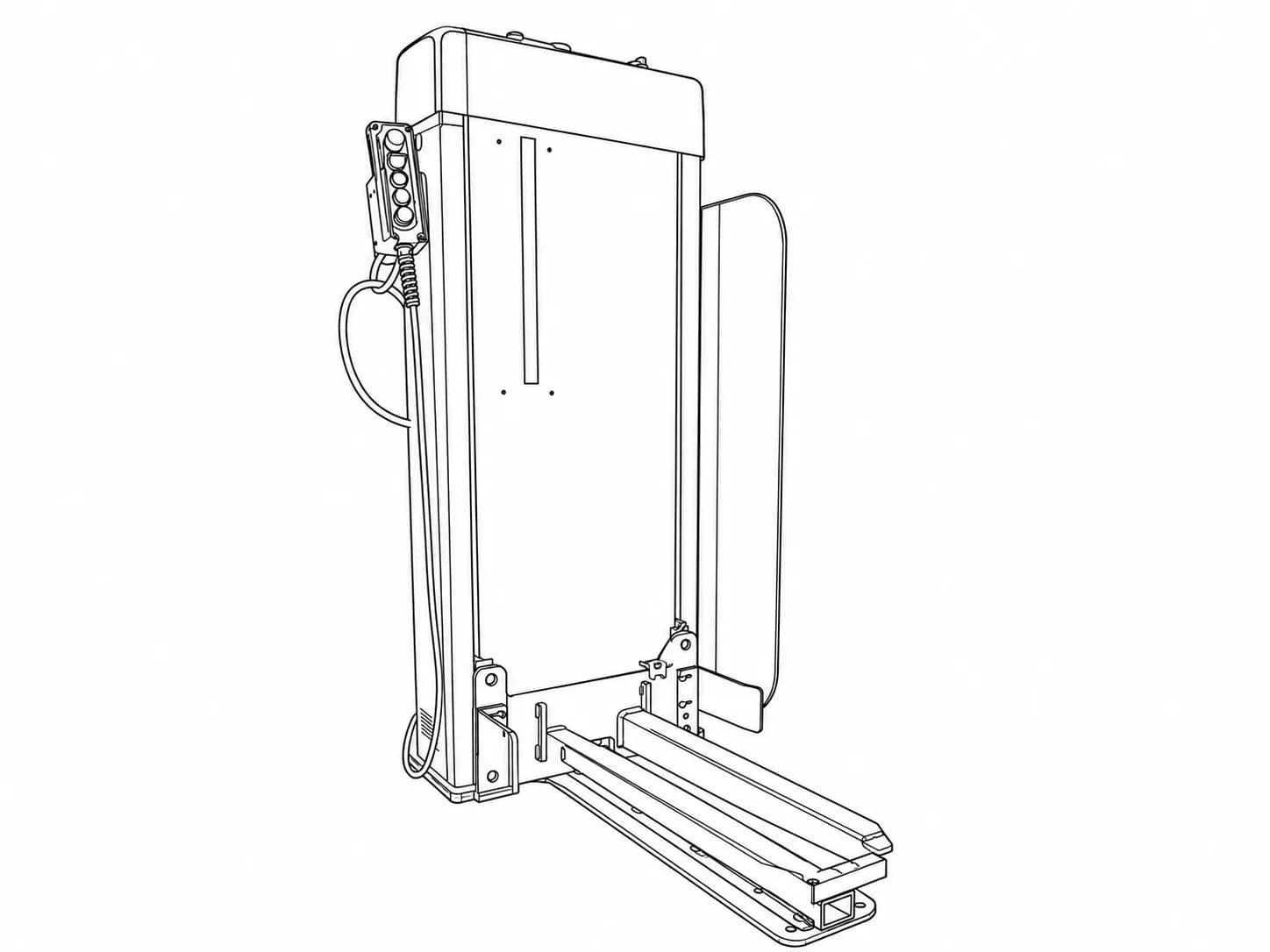
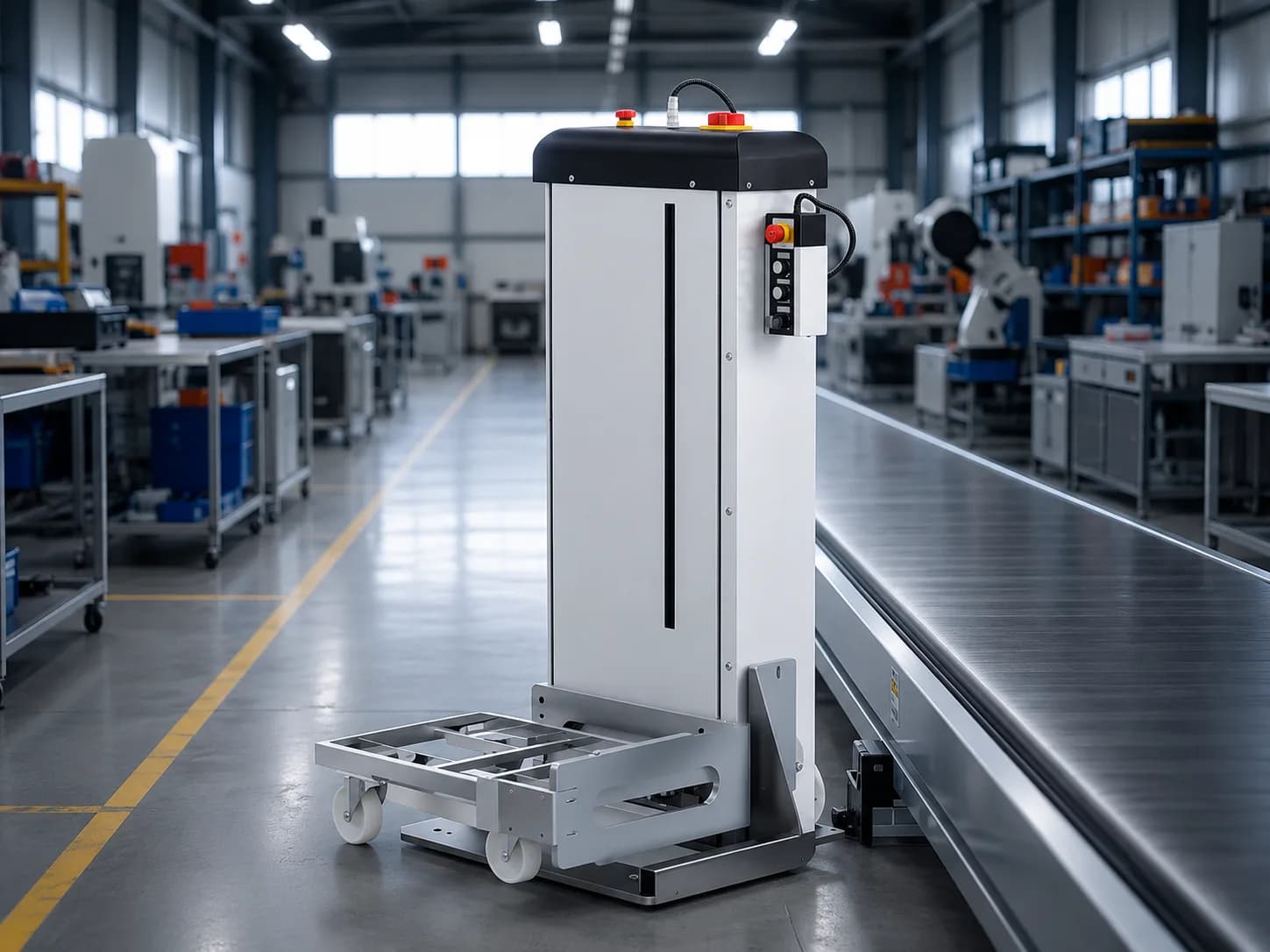
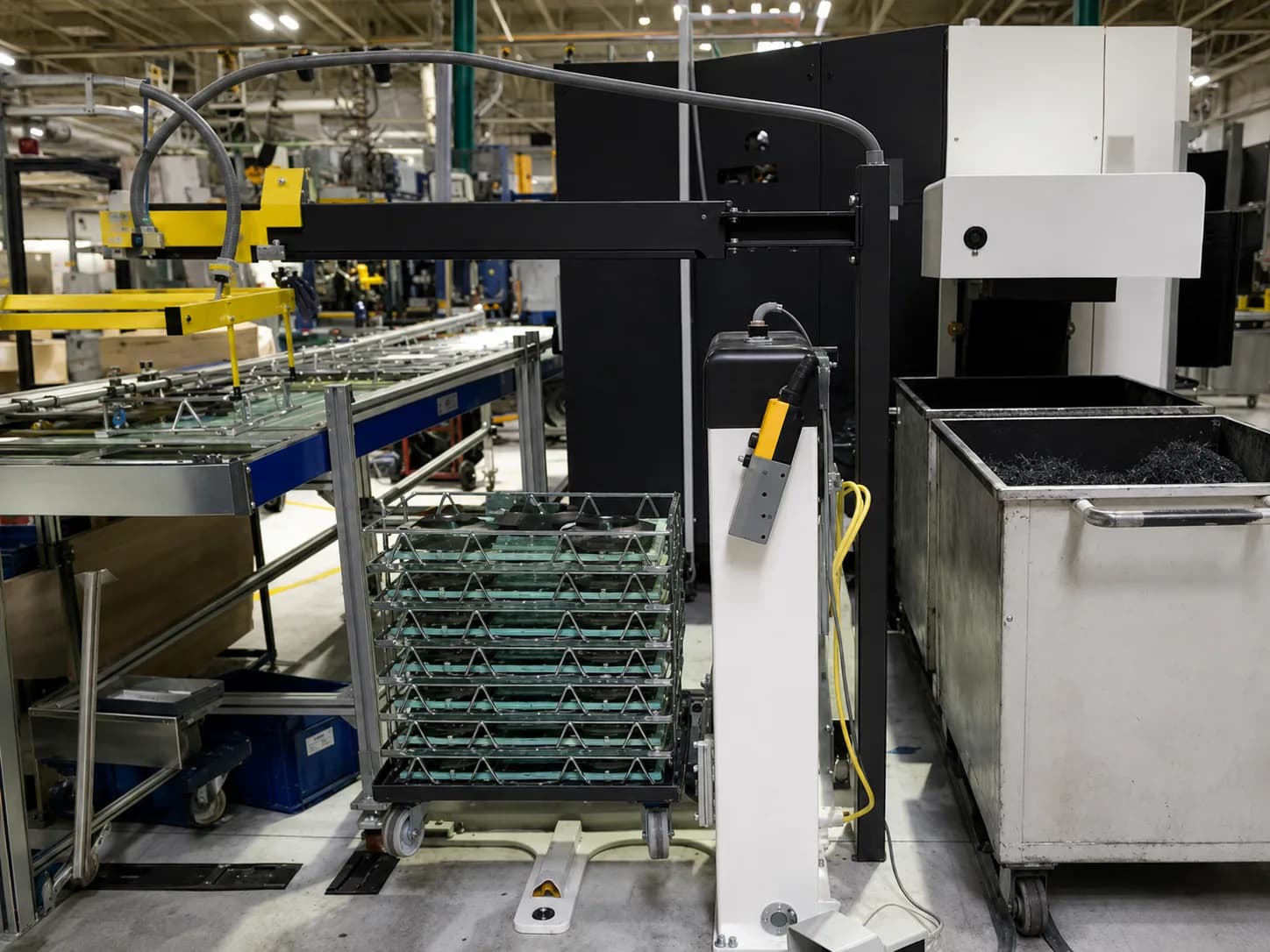
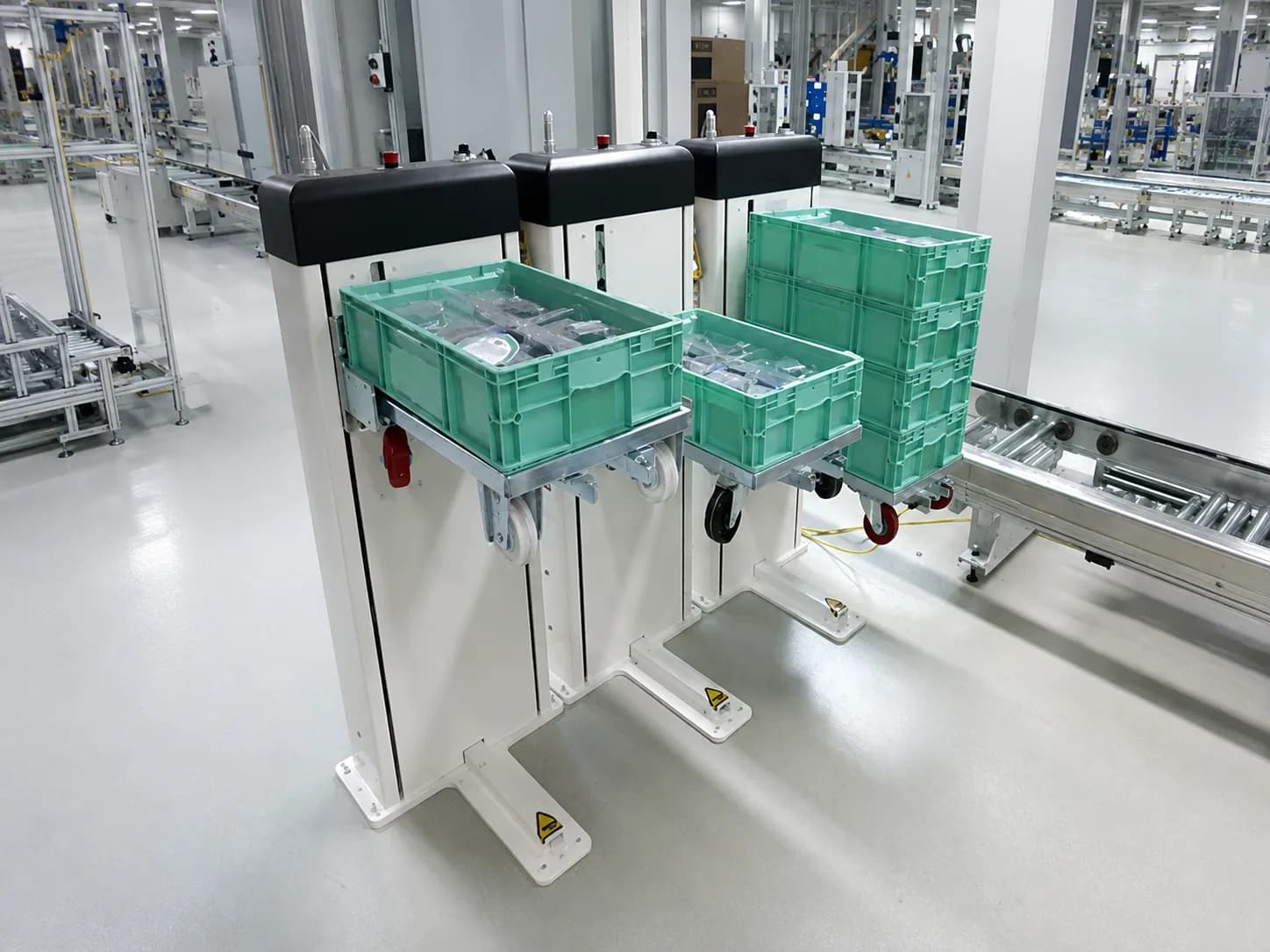
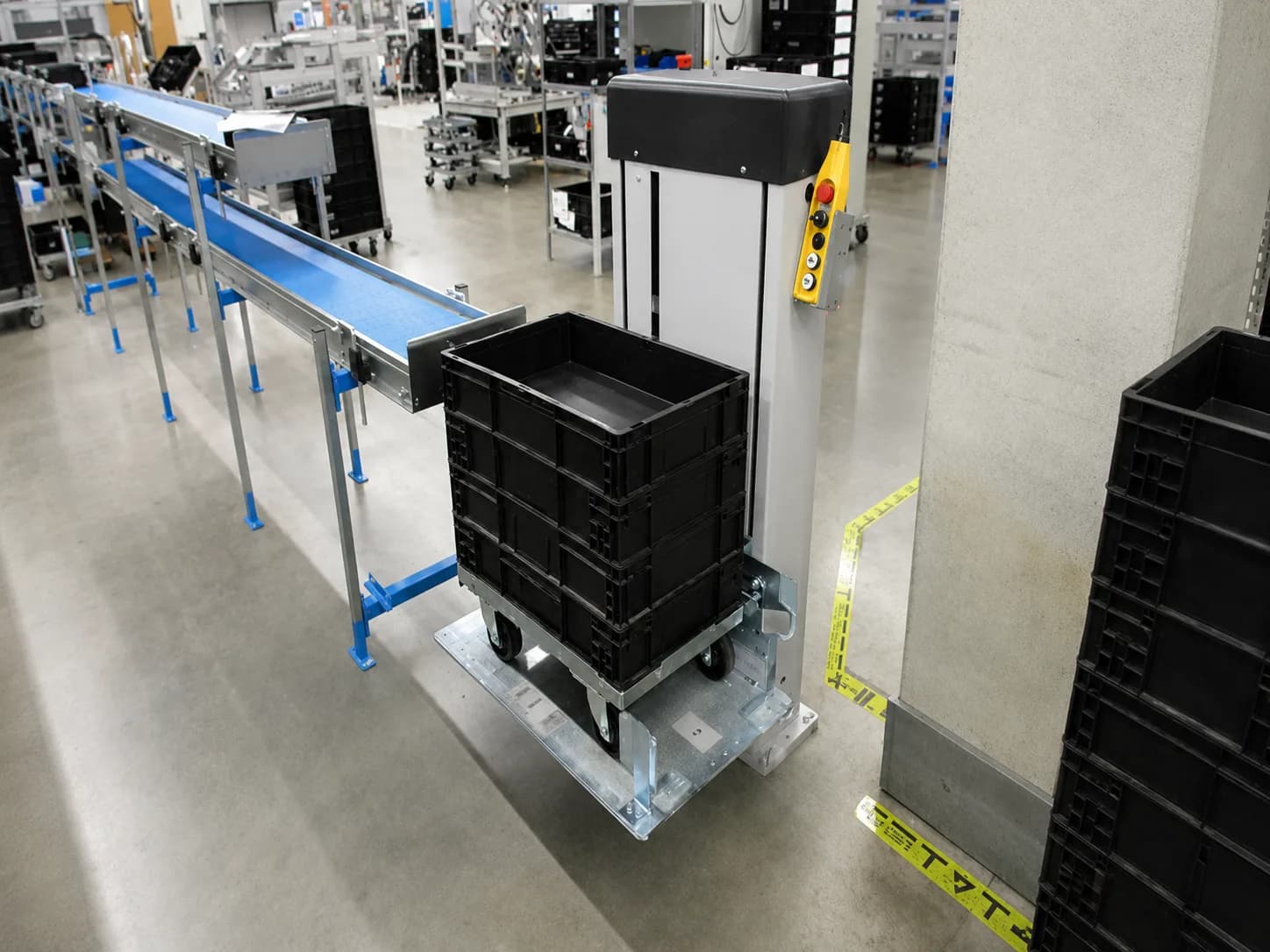
Product Video
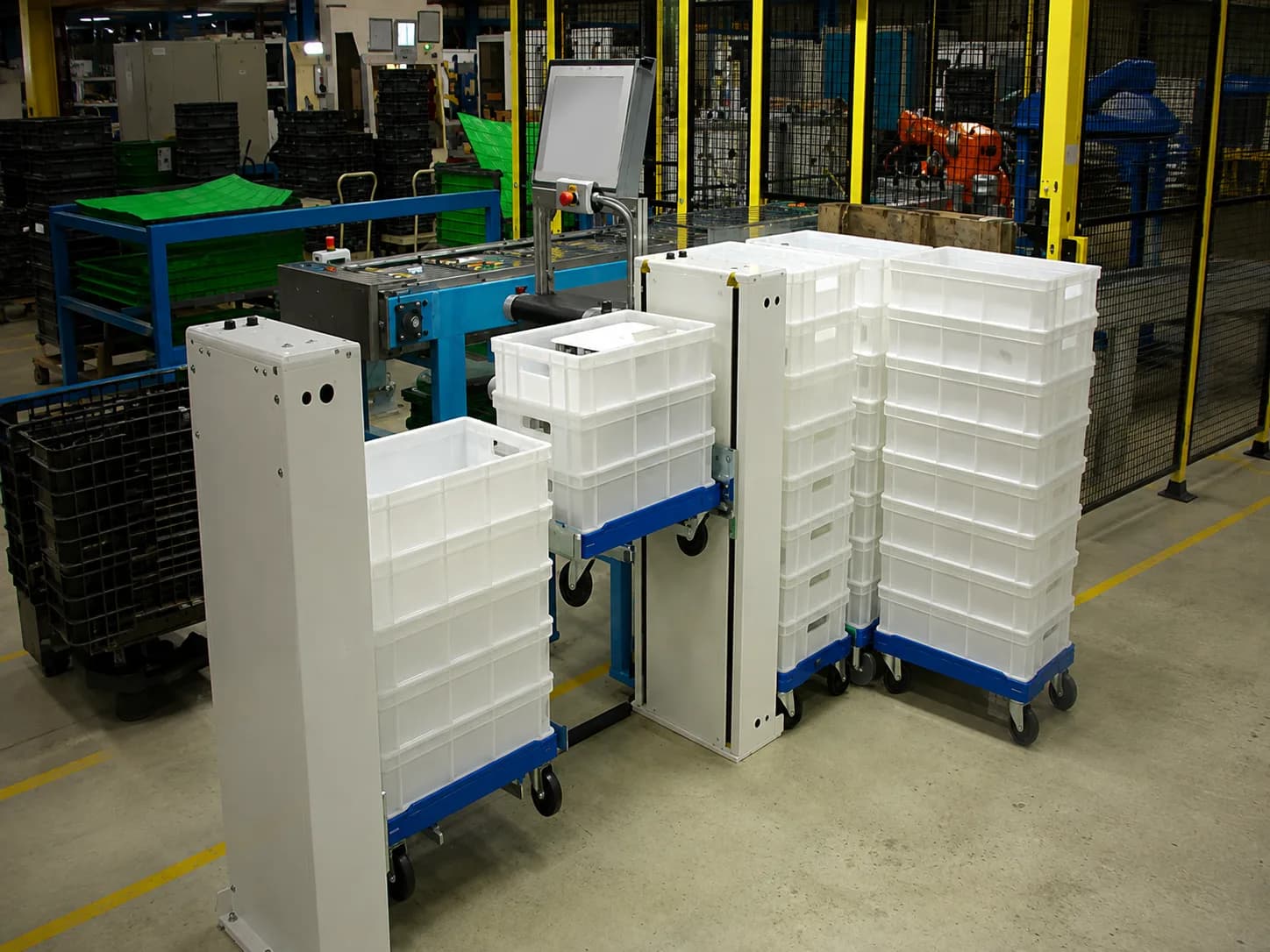
Representative vertical pallet lift configurations and real workshop applications for trolley, tote-box and production-line material transfer.
Engineered for vertical transfer inside production equipment and manufacturing lines
Vertical pallet lifts are developed for vertical material transfer within production equipment and automated manufacturing lines, helping connect workstations, conveyors, trolleys or material carriers operating at different transfer heights.
Load-support structures, trolley interfaces, carrier platforms and transfer directions can be configured according to the pallet, tote box, trolley, adjacent equipment and workshop material-flow requirements. Representative applications include line-side tote handling, trolley lifting, production-equipment interface and multi-station material transfer. The final lifting and docking arrangement is evaluated according to the actual carrier, transfer height and equipment interface.
Customer Challenge
Vertical transfer requirements, limited floor space, disconnected process areas and inefficient manual handling routes.
Engineering Solution
A project-specific lift configuration reviewed around working height, load carrier format, loading direction, control method and site interface.
Application Result
More controlled material flow between working areas, improved line-side handling and a clearer internal logistics path.
Typical Interface Configurations
Load-support geometry and transfer direction can be configured according to the carrier, trolley, pallet and adjacent equipment layout.
Direct Material-Carrier Interface
Forward-Loading Interface
- Forward load-support structure can be configured for direct carrier engagement
- Suitable for applications where material enters or leaves from the front of the lifting unit
- Support geometry is developed around the pallet, carrier or trolley structure
- Transfer height and adjacent-equipment interface are evaluated according to the project
Customized Carrier Handling
Trolley & Carrier Interface
- Interface structure can be developed around wheeled trolleys, pallets or tote carriers
- Carrier positioning and support features are customized according to the actual load form
- Suitable for line-side material handling and workstation logistics
- Loading and unloading direction can be evaluated according to the workshop layout
Equipment & Conveyor Integration
Production-Line Interface
- Vertical transfer unit can be positioned beside conveyors, workstations or production equipment
- Interface height can be developed according to adjacent equipment
- Suitable for material-height transition within production processes
- Transfer direction and docking structure are evaluated according to the actual line layout
Project Evaluation Information
Final lift configuration should be evaluated according to the carrier, required transfer height, loading and unloading direction, adjacent equipment and production-line interface conditions.
Transferred Material / Carrier Type
- Pallet
- Trolley
- Tote box
- Dedicated carrier
Carrier Dimensions
- Length and width
- Carrier height
- Interface geometry
Required Load
- Estimated load requirement
- Load distribution
- Handling frequency
Required Transfer Height
- Infeed height
- Outfeed height
- Height transition need
Lift Stroke
- Required travel range
- Transfer position relationship
- Carrier clearance
Loading Direction
- Front loading
- Side loading
- Line-side infeed
Unloading Direction
- Front unloading
- Side unloading
- Equipment-side outfeed
Adjacent Equipment Type
- Conveyor
- Workstation
- Production equipment
Infeed Interface Height
- Incoming carrier height
- Equipment interface height
- Transfer clearance
Outfeed Interface Height
- Delivery height
- Line-side height
- Carrier support condition
Carrier / Trolley Interface
- Wheel position
- Carrier base form
- Support contact points
Positioning / Retaining Requirement
- Carrier positioning
- Retaining structure
- Guide or stop feature
Control Interface Requirement, If Applicable
- Signal interface
- Adjacent equipment relationship
- Operation mode
Workshop / Production-Line Layout
- Line layout
- Available space
- Surrounding equipment
Application Environment
- Workshop floor condition
- Access space
- Material-flow constraints
Engineering Evaluation
To propose a suitable vertical pallet lift configuration, we evaluate:
- Carrier and load form
- Required transfer height
- Loading and unloading direction
- Adjacent equipment interface
- Production-line layout
- Positioning or retaining requirements
- Control-interface requirement, if applicable
Key Features
Vertical Height Transition
Supports vertical material transfer between equipment or workstation interfaces at different operating heights.
Custom Carrier Interface
Load-support and carrier interfaces can be developed around pallets, trolleys and tote-box carriers.
Flexible Transfer Direction
Loading and unloading direction can be evaluated according to the line layout and adjacent equipment.
Production-Line Integration
Can interface with conveyors, workstations and production equipment according to project requirements.
Engineering Drawing Confirmation
Mechanical structure, interface details and manufacturing direction are confirmed through project drawings.
Engineering Application Scenarios
Production-Line Material Transfer
Used where materials need vertical height transition within production equipment, line-side stations or manufacturing processes.
Line-Side Tote Handling
Supports tote-box carrier movement beside conveyors, workstations or production equipment.
Trolley Lifting and Transfer
Can be evaluated for wheeled trolleys or customized carriers where lifting and transfer directions vary by project.
Pallet and Carrier Handling
Supports project evaluation for pallets, carrier bases and load-support structures used in factory material flow.
Conveyor Height Transition
Can interface with conveyors or adjacent production equipment where material height needs to change within a process.
Multi-Station Production Logistics
Supports material-flow planning between multiple workstations, equipment interfaces and line-side handling points.
Project Process
Requirement Review
Understand load requirement, working height, material carrier, installation condition and production workflow.
Engineering Evaluation
Review layout, lifting path, loading direction, control method and safety requirements.
Drawing Confirmation
Confirm mechanical structure and project details before manufacturing.
Manufacturing & Assembly
Fabrication, assembly and quality checking based on confirmed requirements.
Delivery Support
Provide export coordination, packing support and communication during delivery.
Why Choose Our Engineering Approach
Requirement Analysis
We review material flow, working height, load carrier format, layout restrictions and production process requirements before proposing a direction.
Mechanical Design
The lifting structure, interface, loading direction and control method are configured according to project conditions and confirmed through drawings.
Manufacturing & Assembly
Fabrication, assembly and practical workshop considerations are coordinated around the confirmed design and application requirements.
Delivery Support
Export communication, packing coordination and delivery planning can be supported for overseas industrial equipment projects.
FAQ
What information should I provide for evaluation?
Please share the material or carrier type, estimated load, working height, loading direction, installation space, production flow and any available layout drawings or photos.
Can the working height and loading direction be customized?
Yes. Working height, lifting path, loading direction and carrier interface can be reviewed according to the factory layout, pallet or trolley format and production workflow.
Can you review our layout or drawing before quotation?
Yes. Layout drawings, site photos, carrier drawings or 3D files can help us evaluate the equipment direction before a quotation or project proposal is prepared.
Can the lift be integrated with a production line?
Integration can be evaluated around loading direction, working height, process sequence and the surrounding handling equipment. Final configuration depends on the site assessment.
Can you provide engineering drawings for review?
Project drawings can be prepared after the application requirements, site dimensions, material flow and equipment interface requirements are clarified.
Do you support export packing and overseas communication?
Yes. Export communication, packing coordination and delivery planning can be supported for overseas industrial equipment projects after the project requirements are confirmed.
Share Your Vertical Transfer Project Requirements
Provide your layout drawing, load carrier information, working height, loading direction or site photos. Our engineering team will review your application requirements and suggest a suitable solution.