

Custom Material Transfer Trolley System for Factory Logistics
A project-specific material transfer trolley system for factory logistics, line-side handling and production workflow integration, configurable as an individual transfer unit or a modular linked trolley solution.
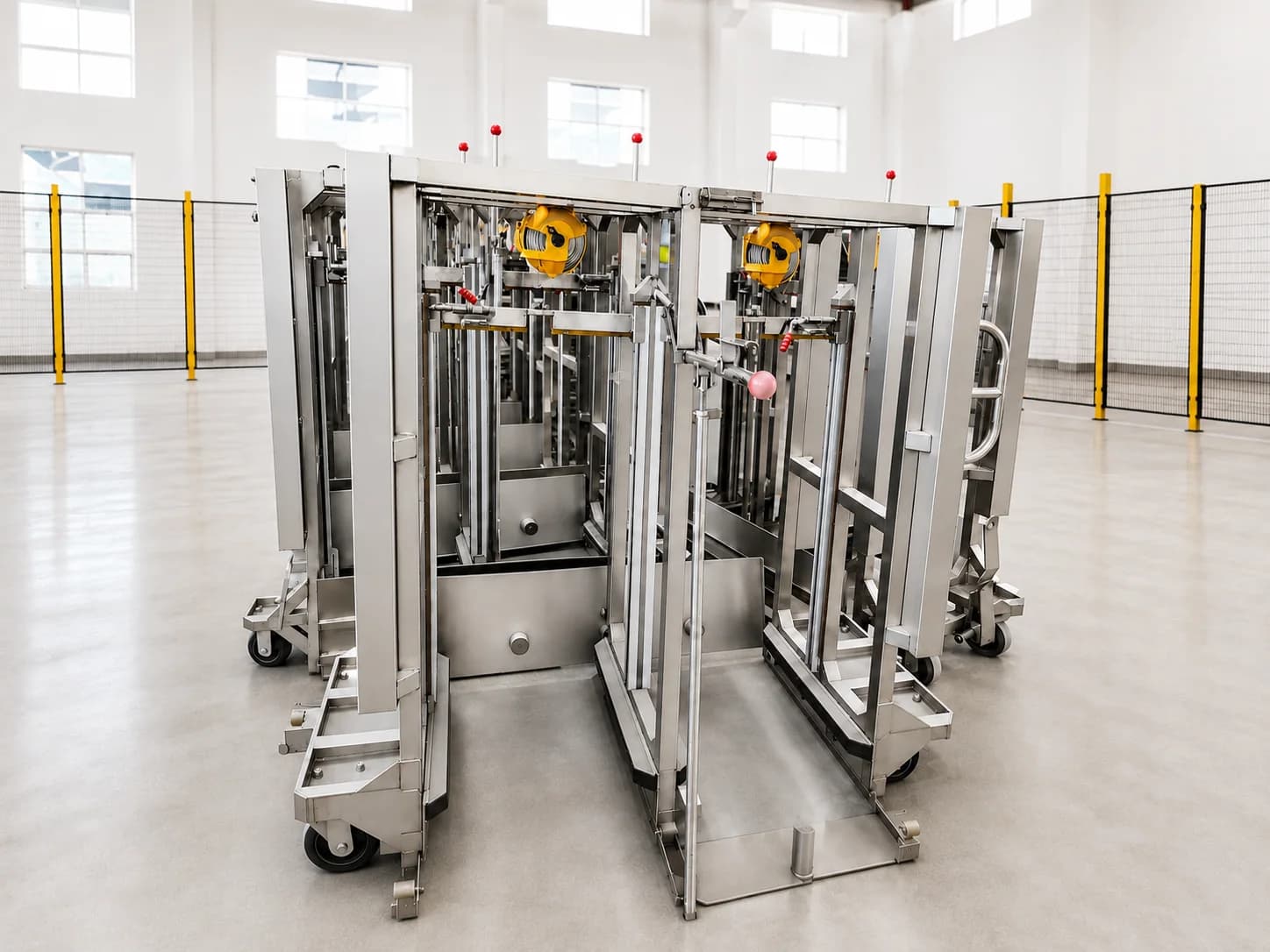
Product Visuals
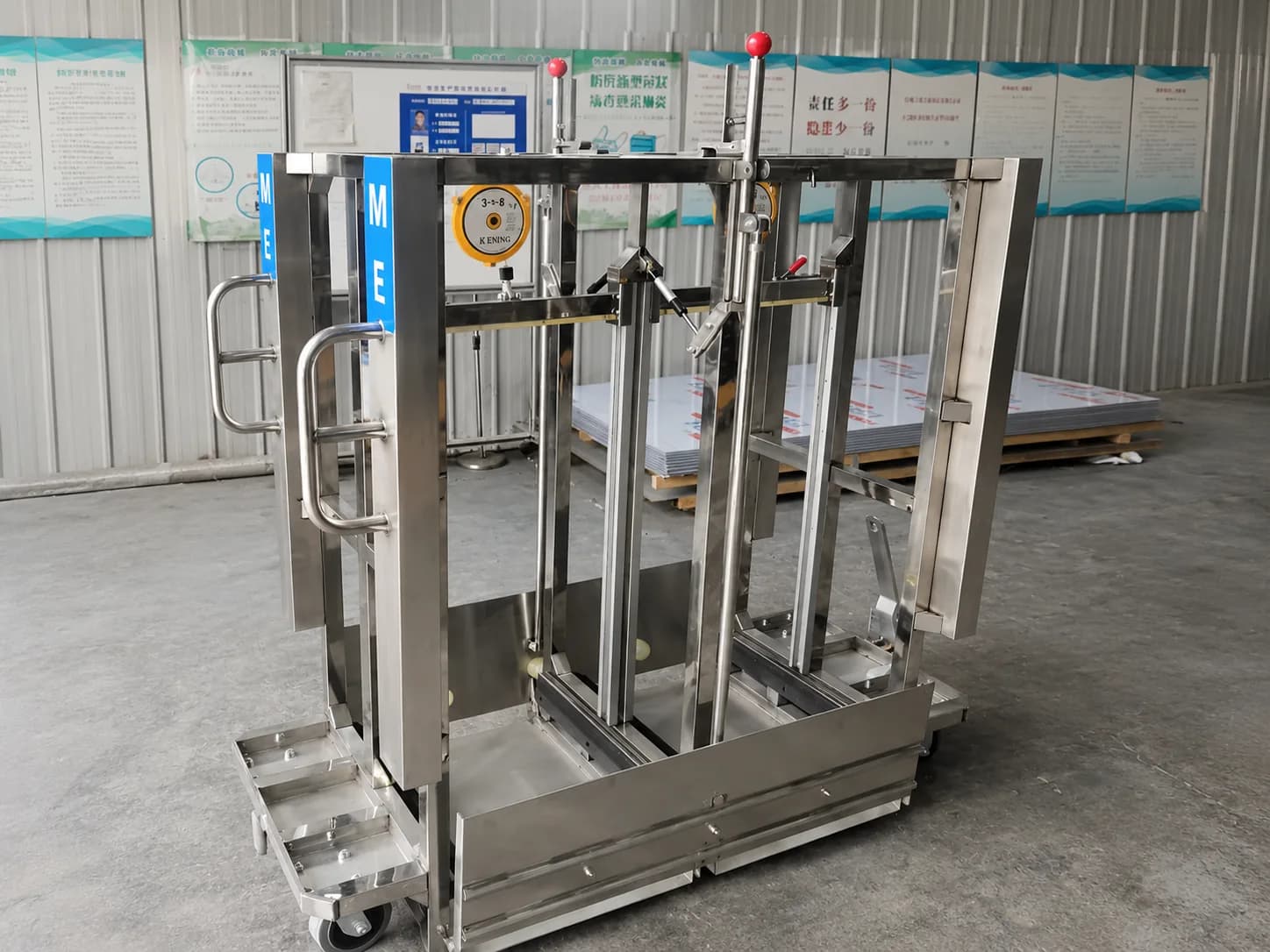
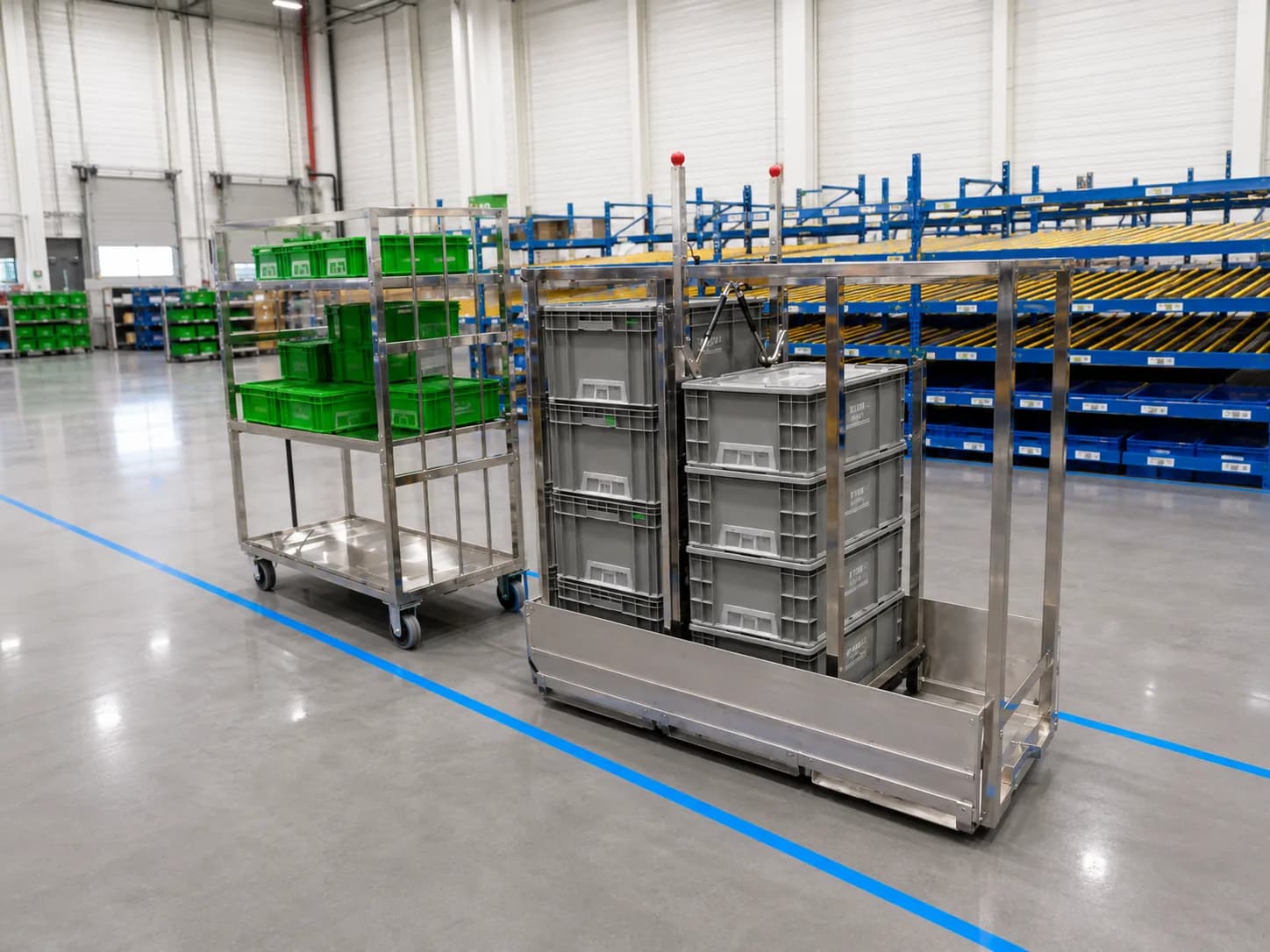
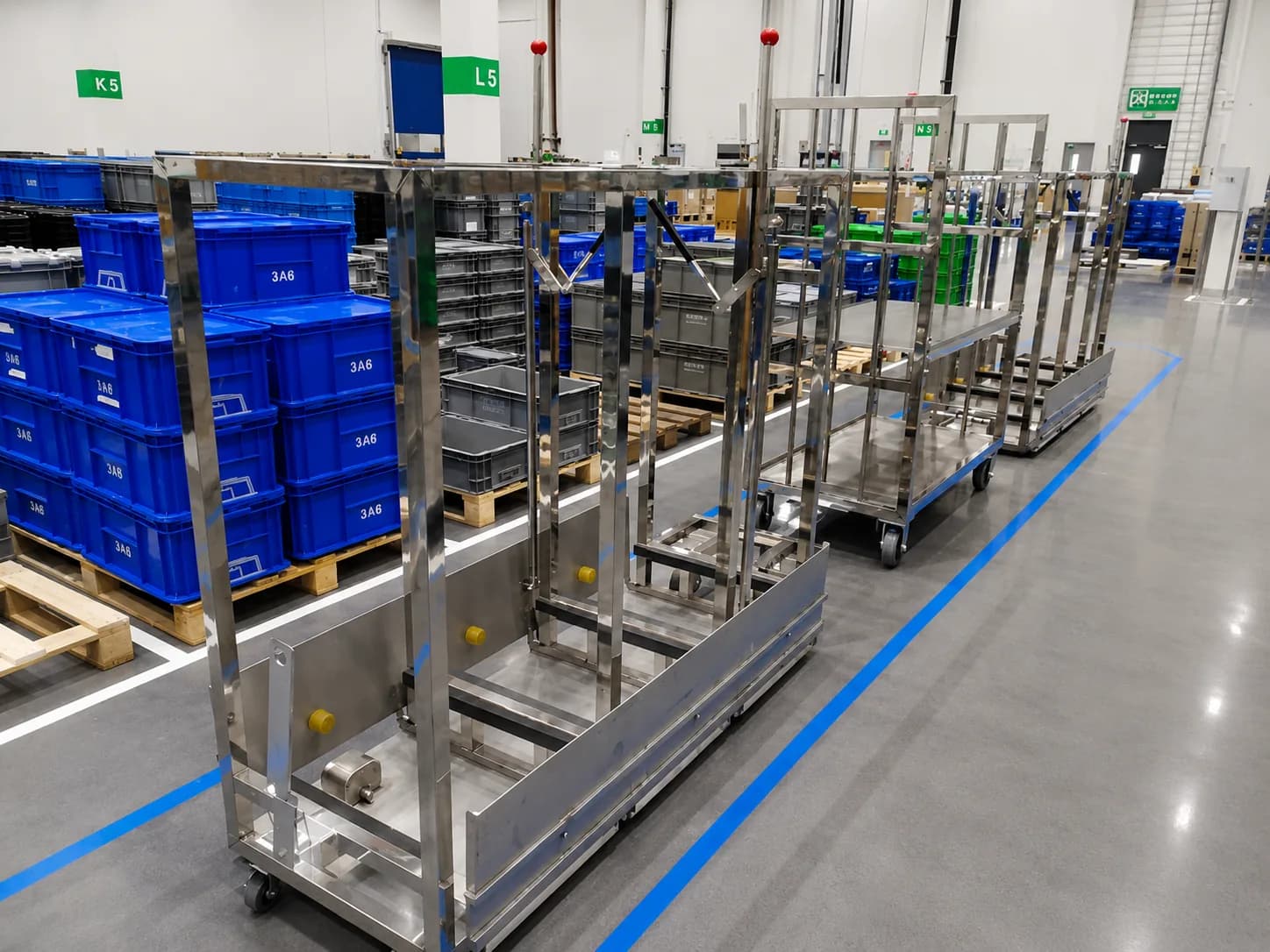
Product Video
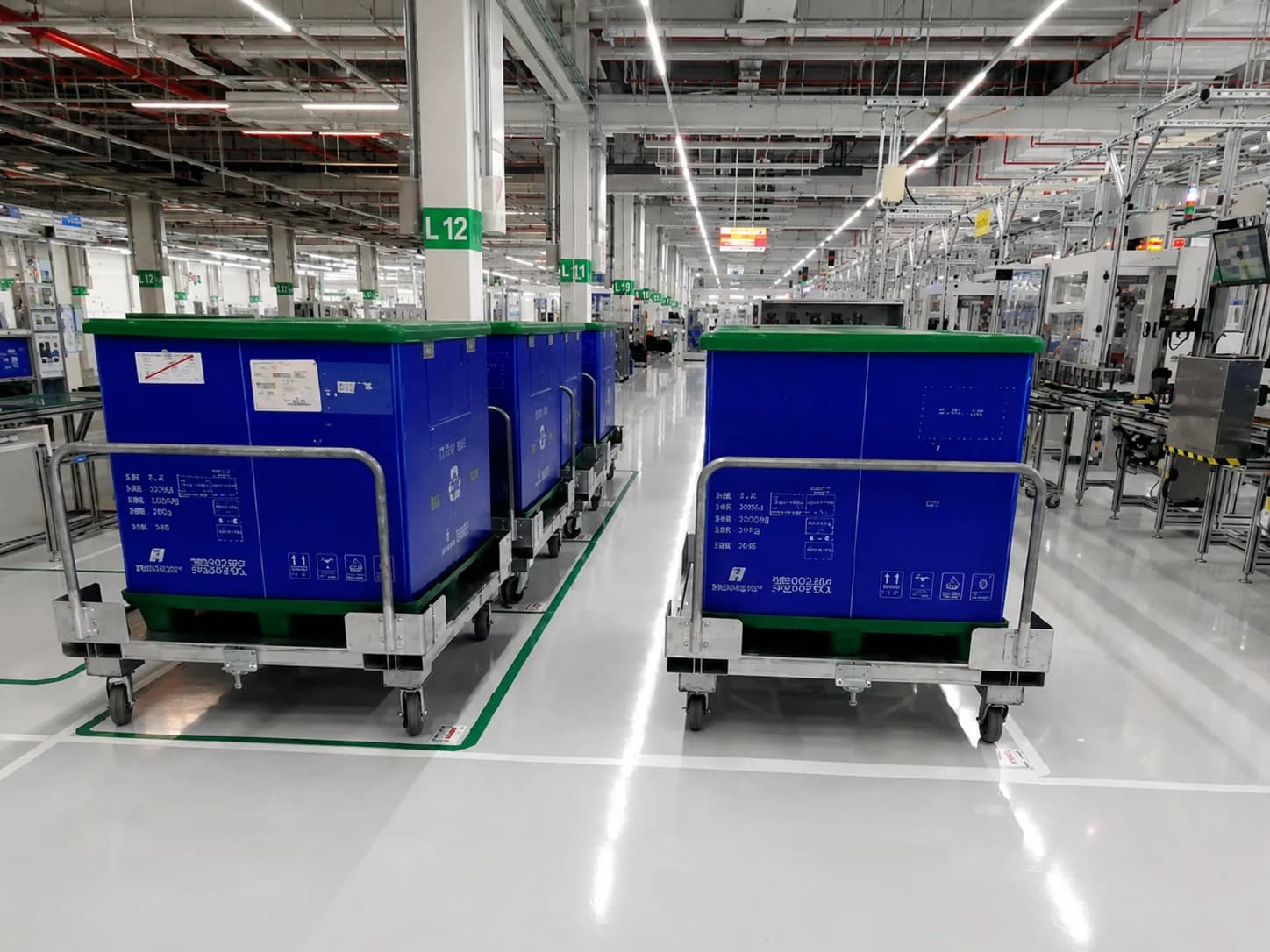
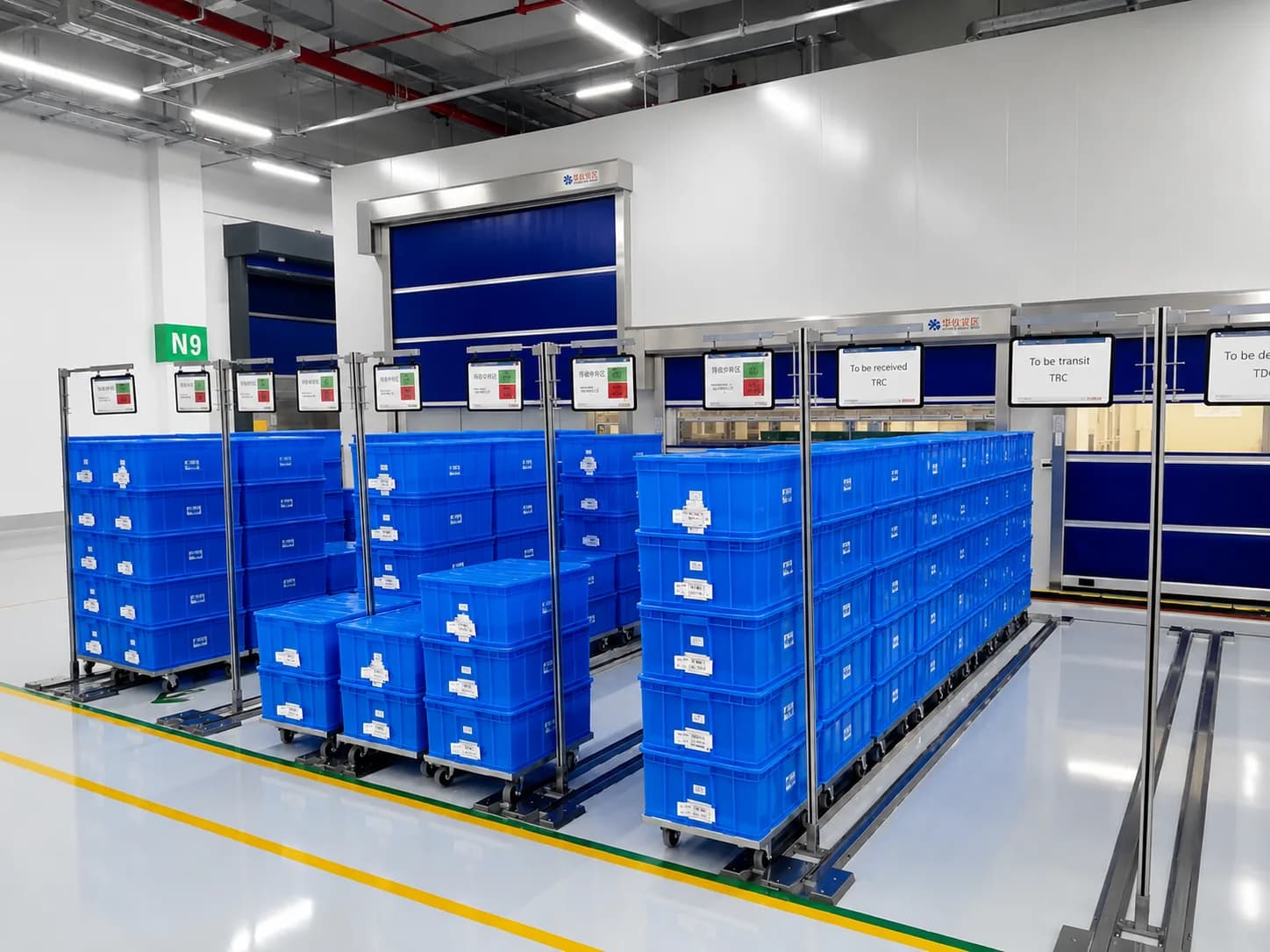
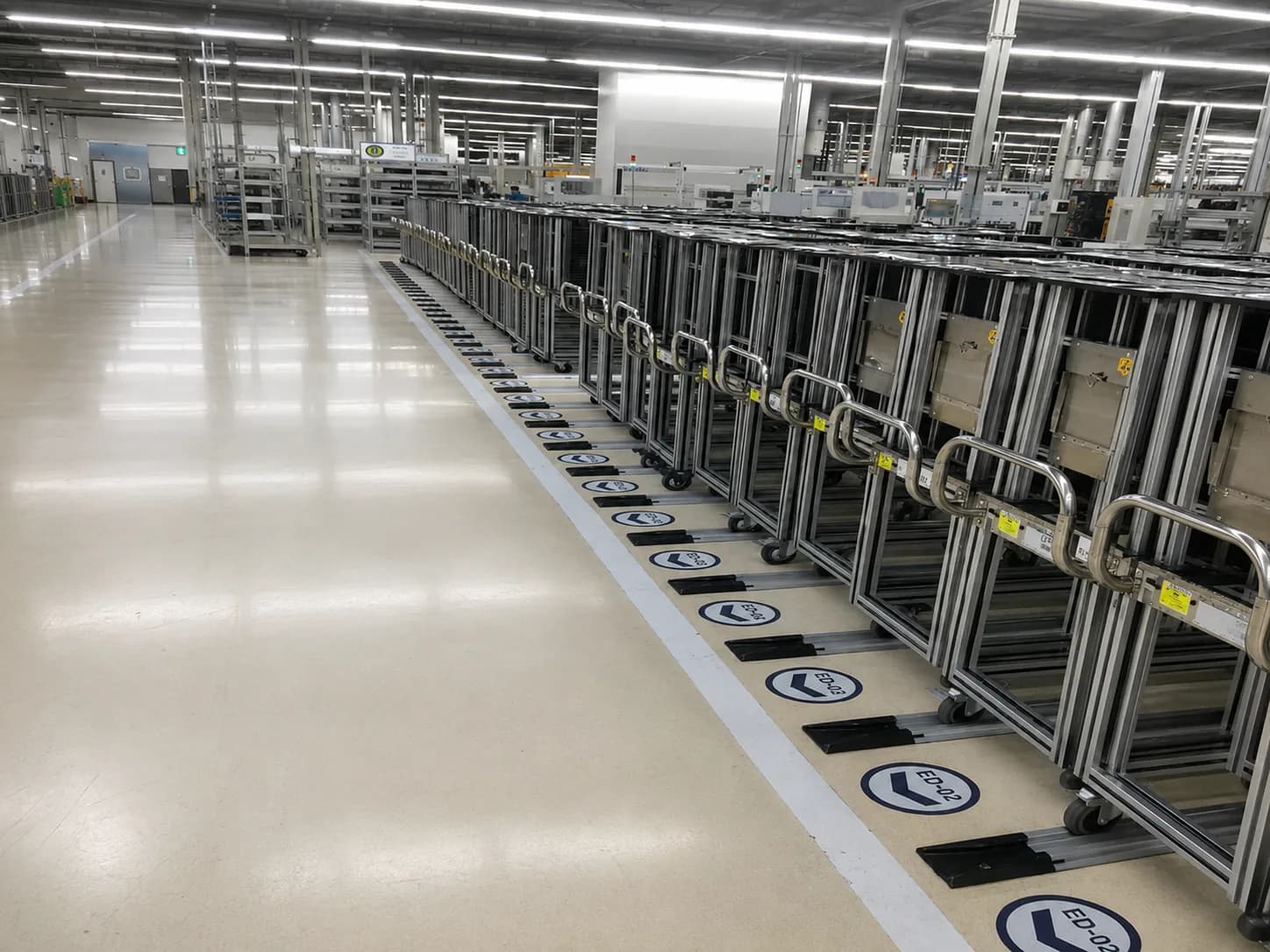
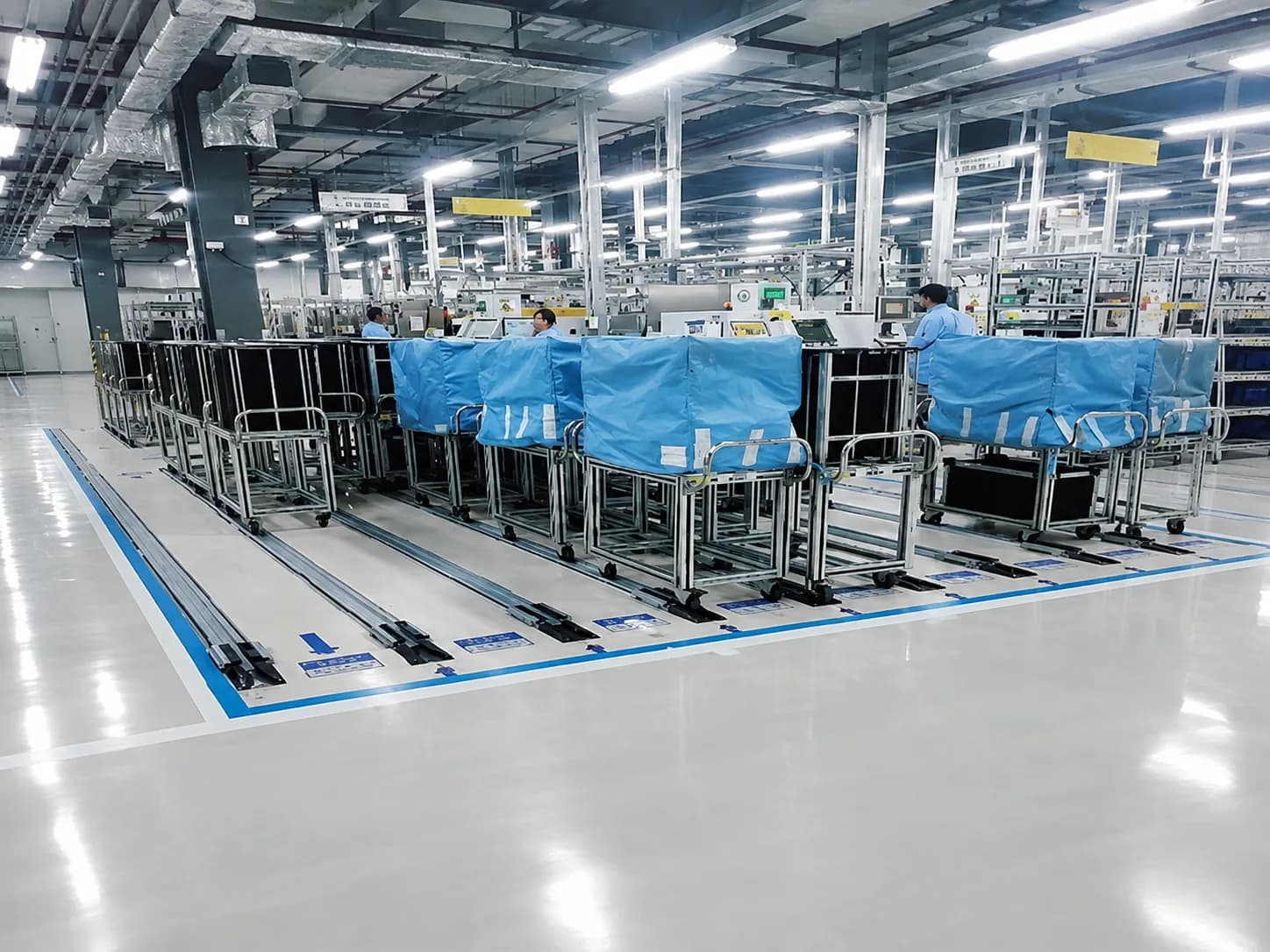
Representative custom material transfer trolley configurations, including multi-trolley towing, guided material flow and FIFO-oriented workshop applications.
Engineered for factory material flow improvement
Custom material transfer trolleys are developed around the transported parts, containers, production layout and internal logistics process. Frame structure, trolley dimensions, loading interface, wheel configuration, positioning features, material selection and coupling arrangements can be adapted according to the actual material-flow requirement.
Front-and-rear coupling structures can be integrated so that multiple trolleys can be connected into a towing train for combined material transport along defined in-plant logistics routes. Representative configurations include towing transfer trains for multi-trolley logistics, stainless steel transfer trolleys for application-specific handling, and guided-wheel trolleys designed to interface with dedicated floor guide rails or FIFO-oriented material-flow layouts.
Customer Challenge
Repeated material movement, batch transfer requirements, specific carrier sizes and workstation routes may create inefficient handling when each trolley is operated separately.
Engineering Solution
A project-specific trolley system reviewed around frame design, carrier interface, front-and-rear coupling method, mobility configuration, docking requirement and linked operation sequence.
Application Result
Configurable coupling, guided-wheel and FIFO-oriented layout interfaces help factories organize combined material movement and line-side supply routes.
Typical Transfer Trolley Configurations
Representative trolley configurations are evaluated around the actual material carrier, handling route, coupling method and site interface. FIFO rail layouts are treated as system context for guided-wheel trolley applications, not as a separate trolley configuration.
Multi-Trolley Material Handling
Towing Transfer Train
- Front-and-rear coupling allows multiple trolleys to form a towing train
- Multi-section configuration supports combined material transport along defined in-plant routes
- Trolley quantity and coupling arrangement are evaluated according to the logistics process
- Loading structures can be customized around containers, parts or production materials
Application-Specific Transfer Trolley
Stainless Steel Transfer Trolley
- Stainless steel trolley structure for application-specific material handling
- Suitable for projects where easy-clean construction or specific material requirements are needed
- Can be configured for precision-part or dedicated-container transfer
- Front and rear coupling interfaces can be integrated according to project requirements
- Trolley dimensions, shelves, retaining structures and handling interfaces can be customized according to the application
Guided Material-Flow Trolley
Guided-Wheel Transfer Trolley
- Guided-wheel structure can interface with dedicated floor guide rails
- Suitable for material-flow routes where trolley movement follows a defined path
- Can be integrated into FIFO-oriented material circulation layouts
- Front and rear coupling interfaces can be incorporated according to project requirements
- Guide-wheel position, trolley structure and rail interface are evaluated according to the actual site layout
Project Evaluation Information
Final trolley configuration should be evaluated according to the transported item, loading requirement, coupling method, handling process, production route and site interface conditions.
Transferred Part / Container
- Part type
- Container type
- Material carrier format
Part / Container Dimensions
- Length and width
- Height range
- Carrier interface
Required Quantity per Trolley
- Container quantity
- Part quantity
- Arrangement direction
Load Requirement
- Estimated required load
- Load distribution
- Handling frequency
Trolley Overall Dimensions
- Length requirement
- Width requirement
- Height direction
Handling Method
- Manual handling
- Towing operation
- Other project-specific handling
Coupling Requirement
- Front coupling requirement
- Rear coupling requirement
- Both-end coupling requirement
- Connection with other trolley units
Number of Connected Trolleys, If Applicable
- Estimated connected trolley quantity
- Towing sequence
- Combined route planning
Wheel / Caster Requirement
- Wheel configuration
- Caster type
- Floor condition
Guided-Wheel Requirement, If Applicable
- Guide-wheel position
- Defined-path movement
- Guide interface condition
Floor Guide Rail Interface, If Applicable
- Rail layout
- Rail interface
- Trolley-to-rail clearance
Material / Surface Requirement
- Material selection
- Surface requirement
- Application environment
Production Route / Site Layout
- Production route
- Available floor space
- Workstation interface
FIFO Requirement, If Applicable
- First-in-first-out material flow
- FIFO-oriented layout
- Organized trolley positioning
Engineering Evaluation
Does the trolley need to connect with other trolleys at the front, rear or both ends? We review this together with the transported item, loading requirement, handling process, production route and floor guide rail interface where applicable.
- Transferred part / container
- Part / container dimensions
- Required quantity per trolley
- Load requirement
- Trolley overall dimensions
- Handling method
- Front / rear / both-end coupling requirement
- Number of connected trolleys, if applicable
- Wheel / caster requirement
- Guided-wheel requirement, if applicable
- Floor guide rail interface, if applicable
- Material / surface requirement
- Production route / site layout
- FIFO requirement, if applicable
Key Features
Custom Structure
Frame and loading structures are developed according to the transported parts, containers and production logistics requirements.
Front-and-Rear Coupling
Trolleys can be equipped with front and rear coupling structures so multiple units can be connected for towing and combined material transport.
Application-Specific Wheel Configuration
Wheel, caster and guide-wheel arrangements can be configured according to the actual movement route and site conditions.
Production-Line Integration
The trolley can be designed around production lines, logistics routes, containers and site interface requirements.
FIFO-Oriented Material Flow Integration
Guided transfer trolleys can be developed to interface with dedicated floor rail layouts for first-in-first-out material circulation.
Engineering Application Scenarios
In-Plant Material Circulation
Used for organized material movement between production areas, storage points and workstation routes.
Production-Line Material Delivery
Supports line-side material supply where containers or parts need to follow a defined production route.
Container and Tote Transfer
Can be configured around industrial bins, tote boxes, racks or dedicated material carriers.
Work-in-Process Handling
Supports movement of work-in-process materials between production, inspection and assembly steps.
Precision-Part Transfer
Can be evaluated for dedicated-container or retaining-structure requirements for precision-part handling.
Multi-Trolley Towing Routes
Front-and-rear coupling can support connected trolley movement along defined in-plant logistics routes.
Guided Material-Flow Routes
Guided-wheel trolleys can interface with floor guide rails where trolley movement follows a defined path.
FIFO-Oriented Logistics Layouts
Trolley and floor rail interfaces can be evaluated for first-in-first-out material circulation requirements.
Project Process
Requirement Review
Understand material type, load carrier, transfer route, workstation condition and operator workflow.
Engineering Evaluation
Review frame structure, movement method, wheel configuration, positioning requirement, docking points and safety needs.
Drawing Confirmation
Confirm trolley structure, carrier interface and project details before manufacturing.
Manufacturing & Assembly
Fabrication, assembly and quality checking based on confirmed trolley requirements.
Delivery Support
Provide export coordination, packing support and communication during delivery.
Why Choose Our Engineering Approach
Requirement Analysis
We review material flow, transfer route, carrier format, linked trolley requirements and operator handling needs before proposing a direction.
Mechanical Design
The trolley frame, carrier interface, connection structure, mobility configuration and docking details are configured according to project conditions.
Manufacturing & Assembly
Fabrication, assembly and practical workshop considerations are coordinated around the confirmed trolley design and application requirements.
Delivery Support
Export communication, packing coordination and delivery planning can be supported for overseas industrial equipment projects.
FAQ
Can the trolley dimensions and structure be customized?
Yes. Trolley dimensions, frame structure, support surface, handle position and movement direction can be reviewed according to the material and workflow.
Can the trolley be designed for specific material carriers or containers?
Yes. The carrier interface can be evaluated around pallets, tote boxes, bins, fixtures or other project-specific material formats.
Can the trolley integrate with production line workflows?
Integration can be evaluated around workstation height, transfer route, line-side access, positioning method and operator handling steps.
What information should I provide for engineering evaluation?
Please share material type, estimated load, carrier dimensions, transfer route, workstation layout, floor condition, positioning needs and any available site photos or drawings.
Can you provide drawings before manufacturing?
Project drawings can be prepared after the material, layout, carrier interface and operating requirements are clarified.
Do you support overseas project communication and delivery?
Yes. Export communication, packing coordination and delivery planning can be supported after project requirements are confirmed.
Share Your Material Transfer Project Requirements
Provide your material information, carrier dimensions, transfer route, workstation layout, positioning requirement or site photos. Our engineering team will review your handling requirements and suggest a suitable trolley solution.